
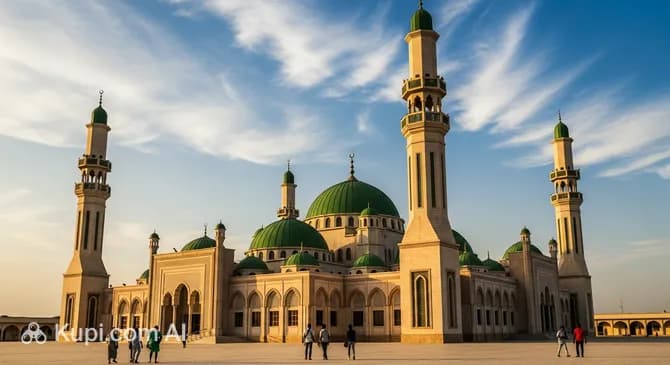
North East · Nigeria
Yobe
Where the Sahel Tells Its Story At the edge of the Sahel, Yobe offers a very different Nigerian landscape — vast open plains, ancient settlements, wetlands, oases, traditional communities and a remarkable agricultural heritage. From the historic Kanem-Bornu corridor to the waters of Nguru and the desert landscapes of the north, Yobe is a destination of history, resilience and discovery.
The guide
What to know before you go
About Yobe
Yobe lies in northeastern Nigeria, bordering Niger Republic and forming part of the wider cultural and ecological landscape of the Lake Chad Basin.
Known as the Pride of the Sahel, the state is characterised by semi-arid landscapes, seasonal wetlands, agricultural communities and historic settlements. Its position also places it within important regional trade routes connecting Nigeria with Niger and the wider Sahel.
Yobe's identity is strongly connected to Kanuri, Bade, Ngizim, Manga and other communities, as well as Hausa and Fulani traditions.
But perhaps the most surprising side of Yobe is its natural diversity.
Seasonal wetlands around Nguru support important bird habitats, while the state's northern landscapes open into dunes, oases and desert-edge environments.
Why Visit Yobe?
Discover the Sahel
Experience a landscape unlike Nigeria's tropical south — open savannah, sand, drylands, seasonal wetlands and desert-edge communities.
Explore the Lake Chad Basin
The wetlands around Nguru and Bade provide an important ecological landscape for birds, fisheries and agriculture.
Follow Ancient History
Yobe contains important archaeological and historical sites connected to the Kanem-Bornu world and earlier settlements.
Discover the Oasis
Tulo-Tulowa offers one of the state's most unusual natural landscapes — a green oasis within the dry Sahel environment.
Experience Northern Culture
Traditional architecture, food, crafts, festivals and community life reveal the cultural richness of northeastern Nigeria.
Places to Discover
Damaturu
The state capital and main urban gateway to Yobe.
Damaturu is the centre of government, commerce and contemporary life in the state and provides a practical base for exploring the wider region.
Nguru
One of Yobe's most important historic and ecological destinations.
The town sits within the wider Hadejia-Nguru wetland system and has long been connected to agriculture, fishing and regional trade.
Hadejia-Nguru Wetlands
One of the most important wetland environments in northern Nigeria.
Seasonal flooding creates habitats for birds, fish and other wildlife while supporting agriculture and traditional livelihoods.
For nature travellers, the wetlands provide opportunities for birdwatching, photography and community-based experiences.
Dagona Bird Sanctuary
A significant bird habitat within the wider wetlands landscape.
The sanctuary is particularly interesting for birdwatchers and visitors interested in the ecological importance of the Lake Chad Basin.
Tulo-Tulowa Oasis
One of Yobe's most distinctive landscapes.
The oasis provides a striking contrast between green vegetation and the surrounding dry Sahel environment.
Goya Valley
A dramatic landscape associated with deep valleys, rock formations and rugged terrain.
The area offers potential for hiking, photography and geological exploration, subject to current access conditions.
Dufuna
A site of extraordinary archaeological significance.
The Dufuna Canoe, discovered in the area, is an ancient dugout canoe dating back several thousand years and is considered one of the oldest known watercraft discoveries in Africa.
It provides a remarkable connection between modern Yobe and the ancient human history of the Lake Chad region.
Birnin Ngazargamu
The ruins of the historic capital of the Bornu Empire.
The site is associated with the wider Kanem-Bornu civilisation and offers an important window into the political and cultural history of the region.
Bade
A historic area associated with the Bade people, traditional institutions, agriculture and fishing.
Geidam
A major town in northern Yobe with strong connections to agriculture, trade and the wider Sahel landscape.
Potiskum
One of Yobe's major commercial centres and an important livestock and agricultural trading hub.
Fika
A historic town associated with the Fika Emirate and the wider Ngizim cultural landscape.
Nangere
An agricultural area known for farming communities and traditional northern culture.
Culture & Heritage
Yobe's culture is shaped by its position between the Sahel, Lake Chad Basin and the historic Kanem-Bornu world.
Major communities include:
- Kanuri
- Bade
- Ngizim
- Manga
- Fulani
- Hausa
- Other northeastern Nigerian communities
Traditional institutions remain important, particularly through the state's emirates and traditional councils.
Cultural expression can be experienced through:
- Traditional rulers
- Emirate heritage
- Kanuri traditions
- Bade cultural traditions
- Horse culture
- Durbar
- Traditional music and dance
- Leatherwork
- Weaving
- Pottery
- Embroidery
- Agricultural festivals
- Fishing traditions
Yobe's heritage is particularly compelling because it connects contemporary communities with one of West Africa's great historical civilisations.
Food & Lifestyle
Yobe's food reflects the agricultural traditions of the Sahel and Lake Chad Basin.
Visitors can experience:
- Tuwo Shinkafa
- Tuwo Masara
- Miyan Kuka
- Miyan Taushe
- Miyan Kubewa
- Masa
- Kilishi
- Suya
- Dambu
- Fura da Nono
- Local rice
- Millet
- Sorghum
- Groundnuts
- Beans
- Freshwater fish
- Dates and other locally available fruits
Fish from the wetland and river systems forms an important part of the food culture around Nguru, Bade and other communities.
Local grains, sesame, groundnuts and vegetables also reflect the state's strong agricultural identity.
Nature & Outdoors
Yobe's landscapes are unlike the forests and coastlines of southern Nigeria.
Hadejia-Nguru Wetlands
Wetlands, birds, fisheries and seasonal agricultural landscapes.
Dagona Bird Sanctuary
Birdwatching, photography and ecological exploration.
Tulo-Tulowa Oasis
A striking green oasis within the Sahel.
Goya Valley
Rugged terrain, valleys and dramatic landscapes.
Sahel Landscapes
Open plains, dunes, dry vegetation and expansive horizons.
Lake Chad Basin
The wider ecological landscape provides opportunities for understanding wetlands, desert-edge environments and traditional livelihoods.
Signature Experiences
Yobe Sahel Journey
Travel through the state's changing landscapes — from agricultural plains to drylands, dunes and oasis environments.
Dagona Birdwatching Experience
Explore the wetlands with knowledgeable local guides and observe the migratory and resident birdlife of the region.
Tulo-Tulowa Oasis Experience
Discover one of Yobe's most unusual natural environments and experience the contrast between oasis and Sahel.
Dufuna Archaeological Journey
Explore the story of the ancient canoe and the archaeological history of the Lake Chad Basin.
Kanem-Bornu Heritage Trail
Follow the historical landscape associated with Birnin Ngazargamu and the wider Kanem-Bornu civilisation.
Nguru Wetlands Experience
Combine birdwatching, fishing, agriculture and community experiences around the Hadejia-Nguru wetlands.
Northern Food Trail
Explore Yobe's traditional grains, soups, meat, fish, snacks and locally produced ingredients.
Emirate Heritage Experience
Discover traditional institutions, architecture, ceremonies and the continuing cultural role of emirates across the state.
Sahel Photography Journey
Capture the changing landscapes of drylands, wetlands, traditional settlements, markets and oasis environments.
Business & Investment
Yobe's economy is strongly agricultural, with significant opportunities across farming, livestock, food processing and regional trade.
Current state investment materials identify opportunities around:
- Gum arabic
- Rice
- Wheat
- Maize
- Millet
- Sorghum
- Tomatoes
- Groundnuts
- Cotton
- Sesame
- Cowpea
- Livestock
- Fisheries
- Red pepper
- Tamarind
- Desert palm
- Agro-processing
- Food manufacturing
- Leather
- Logistics
- Tourism
The state also has significant mineral resources, including gypsum, limestone, kaolin, iron ore, diatomite, silica sand and trona, among others. Yobe State Government
Its location on Nigeria's northeastern frontier gives Yobe additional relevance for cross-border commerce and Sahel trade, particularly towards Niger Republic and the wider Lake Chad region. Nigerian Investment Promotion Commission
Cities & Places to Base Yourself
Damaturu
The primary base for accommodation, business and exploring central Yobe.
Nguru
The natural base for exploring the wetlands, bird sanctuary and surrounding agricultural communities.
Potiskum
An important commercial and livestock centre.
Gashua
A major town in the Bade area and a gateway to northern Yobe.
Fika
A cultural and traditional centre with access to the wider Ngizim landscape.
Geidam
A northern commercial gateway with strong connections to agriculture and regional trade.
Events & Festivals
Yobe's cultural calendar reflects its traditional institutions, agricultural economy and riverine communities.
Visitors may encounter:
- Bade Fishing Festival
- Durbar celebrations
- Emirate festivals
- Fishing and river celebrations
- Agricultural festivals
- Cultural and traditional dance events
- Islamic celebrations
- Traditional royal ceremonies
- Community cultural festivals
The Bade Fishing Festival is particularly distinctive, connecting traditional fishing, community celebration and the wetland environment.
Event dates, venues and access should be confirmed before travel.
Yobe at a Glance
Region: North East
Capital: Damaturu
Known as: Pride of the Sahel
Signature attractions: Hadejia-Nguru Wetlands, Dagona Bird Sanctuary, Tulo-Tulowa and Dufuna
Cultural highlights: Kanuri, Bade, Ngizim and other northeastern traditions
Natural character: Sahel, wetlands, oasis, valleys and open plains
Economic strengths: Agriculture, livestock, gum arabic, fisheries, agro-processing, minerals and regional trade
Destination character: Sahel • Heritage • Nature • Culture • Archaeology • Discovery
Discover Yobe
Follow the wetlands. Find the oasis. Walk through ancient history. Discover Yobe.
Experience Yobe for yourself.
Discover more destinations across Nigeria, or start planning your visit today.