
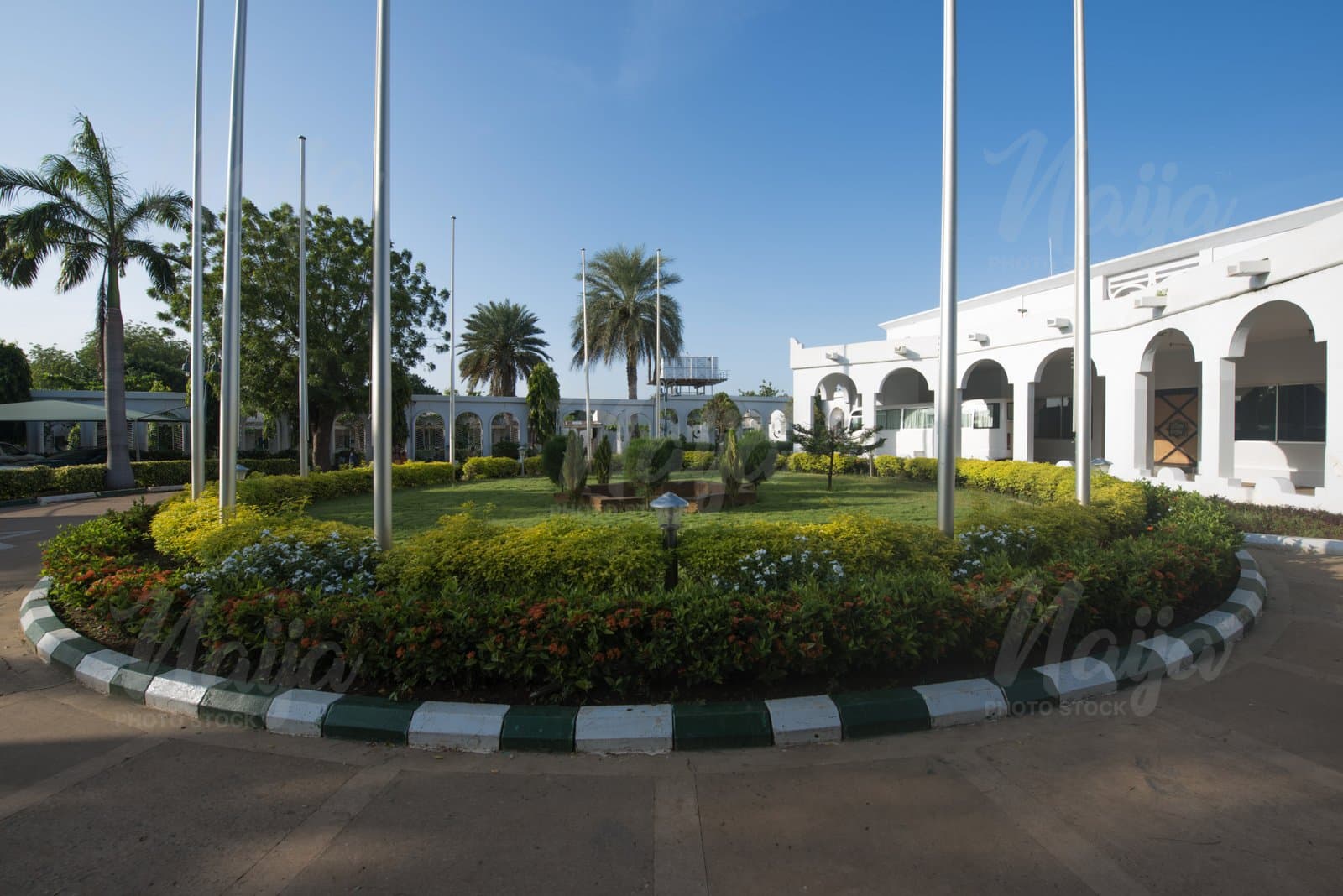
North West · Nigeria
Sokoto
Where History Shapes the North Sokoto is a journey into the intellectual, spiritual and commercial history of northern Nigeria. From the ancient streets of Sokoto and the legacy of the Sokoto Caliphate to the quiet landscapes of the Rima Valley and the traditional craftsmanship of its communities, the state offers a powerful encounter with northern Nigeria's heritage.
The guide
What to know before you go
About Sokoto
Sokoto occupies a unique place in Nigeria's history.
Founded in the early nineteenth century as the headquarters of the Sokoto Caliphate, the city developed into an important centre of Islamic scholarship, commerce, governance and culture. That legacy remains visible in its traditional institutions, historic sites, architecture and intellectual traditions.
The state extends far beyond the capital. Its landscape is predominantly savannah, shaped by the Sokoto-Rima river system, agricultural communities and historic settlements.
Sokoto is also an important agricultural and commercial state, with major production in crops such as rice, onion, garlic and sesame, alongside livestock and mineral resources. Nigerian Investment Promotion Commission
For visitors, Sokoto offers something increasingly rare:
the opportunity to experience a living historical civilisation rather than simply visit a historical site.
Walk Through the Seat of the Caliphate
Discover the history, architecture, scholarship and traditions that shaped one of West Africa's most influential Islamic states.
Meet the Sultanate
The Sultanate remains central to Sokoto's cultural identity and provides a window into centuries of northern Nigerian history.
Explore Islamic Heritage
Mosques, historic scholars, traditional institutions and places associated with the Sokoto Caliphate form an important cultural landscape.
Discover Northern Craftsmanship
Leatherwork, weaving, embroidery, dyeing and traditional crafts remain important expressions of local culture.
Experience the Rima Valley
The rivers and agricultural landscapes around Sokoto provide a different perspective on the state's semi-arid environment.
Sokoto City
The state capital and the natural starting point for any journey through Sokoto.
The city combines traditional institutions and historic landmarks with markets, restaurants, contemporary businesses and everyday northern Nigerian life.
Sultan's Palace
The seat of the Sultan of Sokoto is one of the most important traditional institutions in Nigeria.
Its significance extends beyond architecture: the Sultanate represents an enduring part of the political, religious and cultural history of northern Nigeria.
Access to the palace and official functions should be arranged appropriately.
Sultan Bello Mosque
One of Sokoto's most important religious landmarks and part of the city's historic Islamic landscape.
Sokoto Museum
A starting point for discovering the history, culture and traditional arts of the region.
Shehu Usmanu Dan Fodiyo's Tomb
A site associated with Shehu Usmanu Dan Fodiyo, whose religious and intellectual movement transformed the political and cultural landscape of nineteenth-century West Africa.
The site carries considerable religious and historical significance.
Waziri Junaidu History & Culture Bureau
A cultural institution associated with the preservation and interpretation of Sokoto's history, manuscripts, traditional arts and intellectual heritage.
Gawon Nama Park
A recreational space within Sokoto providing a more contemporary side of the city.
Wurno
A historic community along the Rima River with strong connections to agriculture, traditional institutions and the wider Sokoto cultural landscape.
Goronyo Dam
A major water infrastructure and agricultural landmark on the Rima River, supporting irrigation and surrounding farming communities.
Kalambaina
An important industrial and economic area associated with limestone and cement production.
Tangaza
A northern Sokoto landscape of open savannah and traditional communities, offering a quieter perspective on life away from the capital.
Illela
A historic commercial town close to the Niger border and part of Sokoto's wider cross-border trading environment.
Sokoto's identity is deeply connected to Hausa-Fulani culture and the legacy of the Sokoto Caliphate.
Its cultural landscape is expressed through:
- The Sultanate
- Islamic scholarship
- Traditional emirates and institutions
- Hausa language and literature
- Islamic architecture
- Calligraphy
- Leatherwork
- Embroidery
- Weaving
- Traditional clothing
- Horse culture
- Durbar traditions
- Music and poetry
- Traditional markets
The legacy of Shehu Usmanu Dan Fodiyo remains particularly important to the intellectual and religious history of the region.
Sokoto is therefore best understood not simply through individual monuments, but through the relationship between scholarship, faith, traditional authority, commerce and community life.
Sokoto's cuisine reflects the broader food traditions of northern Nigeria.
Visitors can experience:
- Tuwo Shinkafa
- Tuwo Masara
- Miyan Kuka
- Miyan Taushe
- Miyan Kubewa
- Masa
- Kilishi
- Suya
- Fura da Nono
- Dambu
- Danwake
- Kunu
- Rice dishes
- Millet and sorghum-based foods
- Freshwater fish
- Locally produced vegetables
Sokoto's agricultural economy also gives rice, onions, garlic, sesame and other crops an important place in everyday food culture. Nigerian Investment Promotion Commission
Nature & Outdoors
Sokoto may be best known for history and culture, but its semi-arid landscapes offer their own distinctive character.
Rima River
A major waterway shaping agriculture, settlement and the landscape around Sokoto.
Goronyo Reservoir
An expansive water landscape associated with irrigation, agriculture and fishing.
Rima Valley
Open agricultural landscapes and riverine communities create opportunities for photography, rural exploration and cultural experiences.
Northern Savannah
The state's broad savannah landscapes provide a striking contrast to Nigeria's southern forests and coastal environments.
Rural Sokoto
Traditional settlements, farms, markets and seasonal landscapes offer opportunities to experience everyday life beyond the capital.
Signature Experiences
Sokoto Caliphate Heritage Trail
Follow the story of Sokoto through its historic institutions, mosques, museums, scholars and traditional landmarks.
Sultanate Experience
Discover the history and contemporary role of the Sultanate through appropriate cultural and official channels.
Usmanu Dan Fodiyo Heritage Journey
Explore the historical places and intellectual legacy associated with the founder of the Sokoto Caliphate.
Sokoto Craft Trail
Discover traditional leatherwork, embroidery, weaving, textiles and other crafts through local artisans and markets.
Northern Food Trail
Explore Sokoto's traditional dishes, local markets, tea culture, snacks and northern culinary traditions.
Rima Valley Experience
Travel beyond the city into agricultural communities shaped by the river system.
Goronyo Landscape Journey
Combine the reservoir, surrounding countryside and agricultural communities into a nature and rural experience.
Sokoto Market Experience
Discover the commerce, craftsmanship, fabrics, food and everyday movement of one of northern Nigeria's historic commercial centres.
Northern Horse & Cultural Experience
Where appropriately organised, experience the region's horse culture, traditional dress and ceremonial traditions.
Business & Investment
Sokoto's economic opportunities are strongly connected to agriculture, livestock, minerals, energy and manufacturing.
Key areas include:
- Rice production and processing
- Onion production
- Garlic
- Sesame
- Millet
- Sorghum
- Sugarcane
- Livestock
- Poultry
- Dairy
- Agro-processing
- Cement
- Limestone
- Phosphate
- Renewable energy
- Manufacturing
- Logistics
- Hospitality
- Tourism
- Traditional crafts
Sokoto has been identified as having significant limestone and phosphate resources, alongside gold, nickel, copper and zinc. The state also has substantial livestock and agricultural potential. Nigerian Investment Promotion Commission
The combination of fertile agricultural areas, river systems, mineral resources and proximity to Niger Republic also gives Sokoto a role in regional trade and cross-border commerce.
Cities & Places to Base Yourself
Sokoto
The principal base for hotels, cultural attractions, business, markets and access to the state's heritage.
Wurno
Ideal for exploring the Rima Valley and traditional agricultural landscapes.
Goronyo
A gateway to the reservoir, river system and surrounding agricultural communities.
Illela
A major northern commercial centre and gateway towards the Niger border.
Tambuwal
An important agricultural and commercial centre in southern Sokoto.
Binji
A rural destination offering access to agricultural landscapes and traditional communities.
Events & Festivals
Sokoto's cultural calendar reflects its Islamic heritage, traditional institutions and northern cultural traditions.
Visitors may encounter:
- Durbar celebrations
- Eid celebrations
- Maulud gatherings
- Traditional royal ceremonies
- Islamic scholarly and cultural events
- Agricultural festivals
- Craft and cultural exhibitions
- Community celebrations
Traditional ceremonies associated with the Sultanate and emirates can be particularly significant, but access and participation depend on the nature of each event.
Event dates, venues and access should be confirmed before travel.
Sokoto at a Glance
Region: Northwest
Capital: Sokoto
Known as: The Seat of the Caliphate
Signature heritage: Sokoto Caliphate and Sultanate
Cultural highlights: Islamic scholarship, traditional institutions, Hausa-Fulani culture, crafts and royal traditions
Natural character: Savannah, rivers, agricultural plains and reservoirs
Economic strengths: Agriculture, livestock, minerals, manufacturing, energy and regional trade
Destination character: Heritage • History • Culture • Faith • Craft • Discovery
Discover Sokoto
Walk through the history. Meet the traditions. Discover the Seat of the Caliphate.
Experience Sokoto for yourself.
Discover more destinations across Nigeria, or start planning your visit today.