
North Central · Nigeria
Kogi
Where Two Great Rivers Meet At the meeting point of the Niger and Benue Rivers, Kogi brings together some of Nigeria’s most important landscapes, histories and cultures. From the hills of Lokoja and the heritage of the old colonial capital to the traditions of Igala, Ebira and Okun communities, Kogi is a state where geography and history come together in a remarkable way.
The guide
What to know before you go
About Kogi
Kogi occupies a unique position in Nigeria. At Lokoja, the Niger and Benue Rivers meet, creating one of the country’s most recognisable geographical landmarks.
But the story of Kogi goes well beyond the confluence. The state carries layers of Nigerian history — from the era of the Royal Niger Company and early colonial administration to the ancient traditions of the Igala Kingdom, the heritage of Ebira communities and the cultural landscape of Okunland.
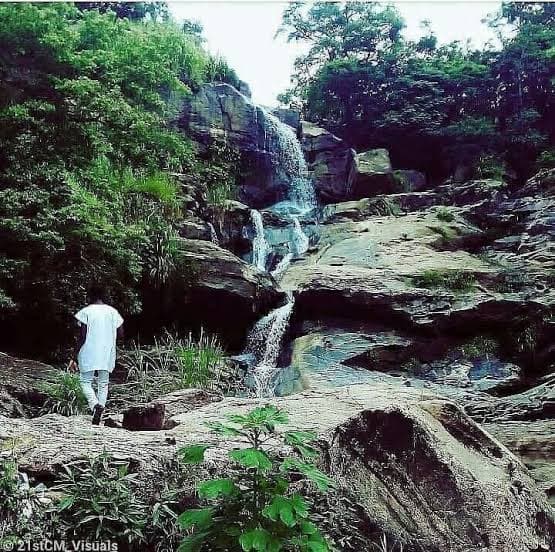
Its terrain changes as you travel across the state: river valleys, rolling hills, rocky formations, forests and agricultural landscapes create a destination with considerable variety.
Kogi is also a state of enterprise, with significant agricultural, mineral and industrial potential.
Why Visit Kogi?
The Confluence
Stand at Lokoja and witness the meeting of the Niger and Benue Rivers — one of Nigeria’s defining geographical landmarks.
History at Every Turn
Lokoja preserves important chapters of Nigeria’s early administrative and commercial history, including colonial-era buildings, cemeteries, monuments and historic sites.
Mountains, Hills & Landscapes
From Mount Patti to the dramatic Obangogo Hills and the rock formations around Ogidi, Kogi offers opportunities for hiking, exploration and scenic escapes.
Living Cultures
Igala, Ebira and Okun traditions give the state a rich cultural identity expressed through festivals, music, dance, food, craftsmanship and traditional institutions.
A State Built for Enterprise
Agriculture, mining, manufacturing, logistics and emerging tourism opportunities make Kogi more than a leisure destination.
Places to Discover
Lokoja
The historic capital sits at the confluence of the Niger and Benue and serves as the natural starting point for discovering Kogi.
Explore its historic quarters, monuments, museums and viewpoints before following the roads into the wider state.
Mount Patti
Rising above Lokoja, Mount Patti is one of the city's defining landmarks.
The hill offers elevated views over Lokoja and the surrounding landscape and carries important colonial history, including the historic Lord Lugard residence.
It is an ideal setting for a combination of history, hiking and panoramic views.
Confluence of the Niger & Benue
One of Nigeria's most distinctive geographical experiences.
The meeting of the two rivers creates a powerful natural landmark and an important part of Lokoja's identity.
Lord Lugard's Residence
Located on Mount Patti, the historic residence forms part of Lokoja's colonial heritage and the story of Nigeria's early administrative history.
Iron of Liberty
A historic Lokoja landmark associated with the abolition of the slave trade and the arrival of freed Africans in the city.
Obangogo Hills
Near Kabba, Obangogo offers dramatic rock formations, elevated landscapes and opportunities for hiking, nature exploration and outdoor experiences.
Ogidi
Known for its distinctive rocky landscape, Ogidi offers another side of Kogi's natural character, with opportunities for exploring its geological formations and surrounding communities.
Ajaokuta
Ajaokuta is closely associated with one of Nigeria's most ambitious industrial projects — the Ajaokuta Steel Complex.
For visitors interested in Nigeria's industrial story, it represents an important chapter in the country's ambitions for large-scale manufacturing and steel production.
Idah
Located along the eastern side of the state, Idah is deeply connected to Igala history and the traditional institutions of the region.
Its riverfront setting and cultural heritage make it an important stop on a wider Kogi journey.
Okene
At the heart of Ebira country, Okene offers a gateway into the culture, traditions, food and landscapes of central Kogi.
Culture & Heritage
Kogi is one of Nigeria's culturally diverse states.
Three major cultural identities stand out across the state:
Igala in the east, with the historic Igala Kingdom and its strong royal traditions.
Ebira in central Kogi, with distinctive music, dance, festivals, craftsmanship and community traditions.
Okun in the west, representing Yoruba-speaking communities with deep connections to the wider Yoruba cultural world.
Traditional institutions remain an important part of community life, while festivals, masquerades, music, dance and craftsmanship continue to express the state's identity.
Kogi's cultural experience is not found in one location. It changes from community to community.
Food & Lifestyle
Kogi's cuisine reflects its position between Nigeria's cultural regions.
Expect dishes built around yam, cassava, rice, maize, plantain, vegetables, fish and locally produced ingredients.
Traditional soups and stews vary across Igala, Ebira and Okun communities, creating different culinary experiences across the state.
Fresh river fish is an important part of communities around the Niger and Benue waterways, while agricultural areas provide rice, yam, cassava, maize, cashew and other produce.
A Kogi food journey is best experienced locally — through markets, family kitchens, community celebrations and traditional food spots.
Nature & Outdoors
Kogi's geography makes it particularly interesting for travellers who enjoy landscapes and outdoor exploration.
Mount Patti
Hiking, panoramic views and historical exploration.
Obangogo Hills
Rock formations, hiking and scenic landscapes around Kabba.
Niger–Benue Confluence
River views, photography and one of Nigeria's most distinctive natural landmarks.
Ogidi
Rock formations and geological landscapes.
River Experiences
The Niger and Benue waterways provide opportunities for fishing, photography, community experiences and future river-based tourism.
Hills & Rural Landscapes
Across the western and central parts of the state, hills, farms and traditional communities create opportunities for hiking, cycling, photography and slower rural experiences.
Signature Experiences
The Confluence Experience
Visit the point where the Niger and Benue Rivers meet and explore the history of Lokoja around it.
Mount Patti Heritage Walk
Combine the climb with Lokoja's colonial history and panoramic views over the city.
Kogi Heritage Trail
Follow the historical landmarks of Lokoja, including the Iron of Liberty, historic cemeteries, colonial sites and early institutions.
Igala Kingdom Experience
Discover the traditions, history, royal heritage and communities of eastern Kogi.
Ebira Cultural Experience
Explore the music, food, festivals, craftsmanship and traditions of Ebira communities.
Obangogo Hills Adventure
A nature and hiking experience centred around one of Kogi's most dramatic landscapes.
Kogi Food Trail
Move across the state's cultural regions and discover how local ingredients and cooking traditions change from one community to another.
Ajaokuta Industrial Heritage
Explore the story of Nigeria's industrial ambition through the Ajaokuta steel complex and the wider industrial landscape.
Lokoja City Escape
A compact cultural journey combining history, food, river views and Mount Patti.
Business & Investment
Kogi's location gives it strategic importance beyond tourism.
The state sits at an important crossroads connecting northern and southern Nigeria, while Lokoja's position at the Niger–Benue confluence has historically supported movement, trade and logistics.
Key areas of opportunity include:
- Agriculture and commercial farming
- Rice production and processing
- Cassava and yam value chains
- Cashew production and processing
- Livestock and aquaculture
- Iron ore and steel-related industries
- Coal and other mineral resources
- Limestone and other industrial minerals
- Manufacturing
- Logistics and transportation
- Hospitality and tourism
- Eco-tourism and outdoor recreation
- Cultural and heritage tourism
- Creative industries
Kogi's combination of natural resources, agricultural production, strategic geography and industrial assets gives the state an economic identity that extends well beyond tourism.
Cities & Places to Base Yourself
Lokoja
The natural base for exploring the confluence, Mount Patti and Kogi's historical heritage.
Okene
A major centre of Ebira culture and a gateway to central Kogi.
Kabba
A western Kogi destination with access to hills, landscapes and Okun cultural experiences.
Idah
An important centre of Igala heritage and riverside culture.
Ajaokuta
An industrial destination with significance in Nigeria's manufacturing history.
Ankpa
A major town in eastern Kogi and part of the wider Igala cultural landscape.
Events & Festivals
Kogi's cultural calendar brings together traditional festivals, royal ceremonies, community celebrations, food, music and contemporary events.
Experiences may include:
- Igala cultural celebrations
- Ebira traditional festivals
- Okun cultural events
- New Yam celebrations
- Traditional royal ceremonies
- Community food and agricultural festivals
- Contemporary arts, music and cultural events
Event dates and access should be confirmed before travel.
Kogi at a Glance
Region: North Central
Capital: Lokoja
Known for: Niger–Benue Confluence
Signature landmark: Mount Patti
Cultural identities: Igala, Ebira, Okun and other communities
Natural character: Rivers, hills, rock formations, forests and agricultural landscapes
Economic strengths: Agriculture, minerals, industry, logistics and emerging tourism
Destination character: Historical • Cultural • Scenic • Adventure • Industrial
Discover Kogi
Come to the confluence. Climb the hills. Follow the stories. Discover Kogi.
Experience Kogi for yourself.
Discover more destinations across Nigeria, or start planning your visit today.