
North West · Nigeria
Kebbi
Where the rivers shape the land. In northwestern Nigeria, Kebbi is a destination defined by water, agriculture, ancient communities and enduring traditions.
The guide
What to know before you go
Where the rivers shape the land.
In northwestern Nigeria, Kebbi is a destination defined by water, agriculture, ancient communities and enduring traditions.
The Niger and Rima river systems create a remarkable inland landscape of rivers, wetlands, fishing communities and fertile farmland. Around them are historic emirates, ancient settlements, traditional crafts and some of northern Nigeria's most distinctive cultural experiences.
From the famous Argungu Fishing Festival to the historic city of Birnin Kebbi, the old town of Gwandu and the landscapes of Zuru, Kebbi offers a quieter and deeply authentic side of northern Nigeria.
It is a state shaped by rivers, farming, fishing, heritage and community.
About Kebbi State
Kebbi lies at the meeting point of several important landscapes in northwestern Nigeria.
The Niger and Rima rivers form extensive waterways and floodplains across the state, supporting agriculture, fishing and communities whose lives have long been connected to the rivers.
Kebbi is also home to four historic emirates — Gwandu, Argungu, Yauri and Zuru — each contributing to the state's traditional and cultural identity.
The state is particularly important agriculturally, with rice, onions, grains and other crops forming major parts of its economy. Fishing is equally significant, especially around the inland delta formed by the Niger and Rima river systems.
For visitors, Kebbi offers an opportunity to experience a part of Nigeria where water and land are inseparable from culture and everyday life.
Why Visit Kebbi?
Experience the Argungu Fishing Festival
One of Nigeria's most distinctive cultural events brings thousands of people together around a traditional fishing competition.
The festival combines fishing, music, dance, food, traditional dress and community celebration.
Explore the inland waterways
The Niger and Rima river systems create a remarkable landscape of wetlands, channels, farmland and fishing communities.
Discover Gwandu's heritage
Gwandu is one of the state's historic emirate centres and carries an important legacy of scholarship, traditional leadership and Islamic heritage.
Experience Zuru culture
The Zuru region offers a different cultural character, with distinctive traditions, landscapes and the annual Uhola Festival.
Discover Kebbi's agricultural heart
Rice fields, onion farms, fishing communities and local markets reveal the connection between Kebbi's landscape and its economy.
Places to Discover
Birnin Kebbi
The capital and administrative centre of Kebbi State.
Birnin Kebbi combines modern government and commerce with traditional northern Nigerian culture.
It is the principal gateway for exploring the state's wider attractions and provides the greatest concentration of accommodation, restaurants and urban services.
Argungu
One of Kebbi's most famous destinations.
Argungu is historically connected to fishing, agriculture and the Argungu Emirate and is best known internationally for its spectacular fishing festival.
The town sits within a landscape shaped by the Sokoto River and surrounding wetlands.
Argungu Fishing Village & River
The river environment around Argungu is central to the town's identity.
Fishing communities, traditional boats, farmland and seasonal water patterns create an experience that is deeply connected to the natural landscape.
During the fishing festival, the area becomes the centre of one of Nigeria's most distinctive cultural gatherings.
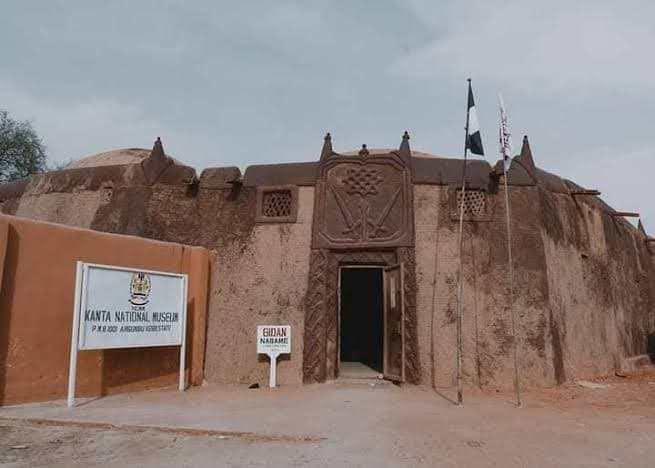
Kanta Museum
Located in Argungu, Kanta Museum provides a window into the history and culture of the region.
Its collections help tell the story of Argungu, traditional institutions, local heritage and the wider history of Kebbi.
Gwandu
A historic city and seat of the Gwandu Emirate.
Gwandu developed into an important centre of Islamic scholarship and traditional authority and remains one of the most culturally significant places in the state.
Emir of Gwandu's Palace
The palace represents the traditional institution of the Gwandu Emirate.
Its history is connected to the wider development of the emirate and the Islamic scholarly traditions of the region.
Visitors should confirm access arrangements before visiting palace grounds or attending traditional ceremonies.
Hubbare — Tomb of Sheikh Abdullahi Dan Fodio
Located in Gwandu, the tomb of Sheikh Abdullahi Dan Fodio is an important religious and historical site.
Sheikh Abdullahi Dan Fodio was a major Islamic scholar and figure in the history of the Sokoto Caliphate.
The site attracts visitors interested in Islamic scholarship, northern Nigerian history and religious heritage.
Zuru
Located in the southern part of Kebbi, Zuru has a distinctive cultural and geographical character.
The area is associated with the Dakarkari people and other communities whose traditions differ from those of the Hausa-speaking northern parts of the state.
The surrounding landscape is also more rugged and varied, providing opportunities for outdoor exploration.
Uhola Cultural Festival
The annual Uhola celebration is one of the defining cultural experiences of the Zuru area.
The festival brings together traditional music, dance, dress, food and community celebrations, providing visitors with an opportunity to experience the cultural heritage of the region.
Yauri
One of Kebbi's historic emirate centres.
Yauri lies near the Niger River and has long been connected to agriculture, fishing and trade.
The surrounding waterways and rural landscapes offer a different perspective on Kebbi's geography.
Kainji Lake
The northern reaches of Kainji Lake extend into the wider Kebbi landscape.
The lake and surrounding environment create opportunities for fishing, boating, wildlife observation and nature-based experiences.
The broader Kainji landscape is particularly important for visitors interested in water, wildlife and outdoor exploration.
Surame Cultural Landscape
The ancient settlement of Surame in the northern part of the state represents an important archaeological heritage site.
The ruins are associated with an ancient fortified settlement and provide a glimpse into the region's pre-modern urban history.
For visitors interested in archaeology and history, Surame adds another layer to Kebbi's story beyond its emirates and festivals.
Kangiwa
The Kangiwa area provides access to the wider agricultural and riverine landscapes of Kebbi.
The surrounding communities offer opportunities to experience local farming, markets and rural life.
Culture & Heritage
Kebbi is culturally diverse, with major communities including Hausa, Dakarkari, Kambari and Zabarmawa, alongside other groups.
The state's four emirates provide an important framework for understanding its traditional heritage.
Argungu Heritage
Argungu's identity is deeply connected to fishing, the river and the emirate.
The fishing festival has transformed these traditions into one of Nigeria's most recognisable cultural events.
Gwandu Heritage
Gwandu is closely associated with Islamic scholarship and traditional leadership.
The town's religious heritage forms an important part of the history of northwestern Nigeria.
Zuru Heritage
The Zuru area has a distinctive cultural identity expressed through traditional festivals, music, dance, dress, agriculture and community traditions.
Traditional Crafts
Traditional crafts across Kebbi include weaving, leatherwork, pottery, basketry, embroidery and other forms of local craftsmanship.
These traditions remain connected to both cultural identity and everyday commerce.
Food & Lifestyle
Kebbi's food culture reflects the agricultural and riverine character of the state.
Rice, grains, vegetables, fish, meat and dairy products are central to local cuisine.
What to Taste
- Tuwo Shinkafa
- Tuwo Masara
- Miyan Kuka
- Miyan Taushe
- Masa
- Kilishi
- Suya
- Fura da Nono
- Fresh river fish
- Rice dishes
- Beans and grain dishes
- Local vegetables
- Traditional northern soups and stews
Rice & Fish
Few places illustrate the connection between landscape and food as clearly as Kebbi.
Rice cultivation and freshwater fishing are both deeply embedded in the state's economy, meaning that local food can offer a direct connection to the land and waterways around it.
Nature & Outdoors
Kebbi's natural environment is dominated by rivers, wetlands, savannah and agricultural landscapes.
Niger River
One of Africa's great rivers passes through Kebbi, shaping communities, agriculture, fishing and trade.
Rima River
The Rima contributes to the network of waterways and wetlands that sustain the state's agricultural and fishing communities.
Kebbi-Sokoto Inland Delta
The inland delta creates an expansive seasonal wetland environment with waterways, farmland, fisheries and birdlife.
Kainji Lake
The lake provides opportunities for water-based experiences and nature exploration.
Zuru Highlands
The landscape around Zuru becomes more varied, with hills, rocky terrain and greener scenery.
Wetlands & Birdlife
The state's waterways and floodplains create important habitats for birds and other wildlife, particularly during seasonal flooding.
Cities & Places to Base Yourself
Birnin Kebbi
The best general base for exploring the state, with the widest selection of hotels, restaurants and services.
Argungu
Ideal for visitors focused on fishing heritage, the Kanta Museum and the riverine landscape.
Gwandu
A strong choice for travellers interested in Islamic heritage, traditional institutions and northern history.
Zuru
The best base for exploring the culture, landscapes and communities of southern Kebbi.
Yauri
Useful for visitors exploring the Niger River and surrounding rural landscapes.
Business & Investment
Kebbi's economy is strongly connected to agriculture, fisheries, livestock, trade and natural resources.
The state is one of Nigeria's important rice-producing areas and has developed a strong agricultural identity around rice and other commercial crops.
The Niger-Rima inland delta also creates significant opportunities in freshwater fisheries and aquaculture. Kebbi's mineral resources include gold, silica sand, kaolin, gypsum, feldspar, iron ore and limestone. Nigerian Investment Promotion Commission
Opportunity Areas
- Rice production
- Rice processing
- Irrigated agriculture
- Onion production
- Maize
- Livestock
- Fisheries
- Aquaculture
- Cold-chain infrastructure
- Food processing
- Logistics
- Gold
- Mineral processing
- Hospitality
- Tourism
- Cultural enterprises
Kebbi's visitor economy can grow naturally around the sectors that already define the state — particularly fishing, agriculture, food, culture, heritage and waterways.
Signature Experiences
The Argungu Fishing Experience
Experience the river, fishing communities and traditions that have made Argungu famous across Nigeria.
The Argungu Festival Experience
Plan a visit around the fishing festival and experience the competition, traditional dress, music, food and celebration surrounding one of Nigeria's great cultural events.
The Gwandu Heritage Journey
Explore Gwandu, its emirate traditions and the religious and scholarly heritage associated with the town.
The Zuru Cultural Experience
Discover the traditions, music, dance, food and community life of the Zuru region.
The Uhola Festival Experience
Experience one of Kebbi's distinctive cultural celebrations through traditional performances, community gatherings and local heritage.
The Kebbi River Journey
Explore the Niger and Rima waterways, fishing communities, wetlands and agricultural landscapes.
The Kebbi Food Trail
Taste local rice, fresh fish, northern Nigerian dishes and food produced from the state's agricultural landscape.
The Surame Heritage Experience
Travel into the ancient settlement landscape and discover another chapter in Kebbi's archaeological history.
The Agricultural Kebbi Experience
Explore rice fields, farms, local markets and food production to understand the agricultural system behind the state.
Events & Festivals
Kebbi's cultural calendar is closely connected to its emirates, agriculture, fishing and community traditions.
Argungu International Fishing Festival
The state's most internationally recognised cultural event.
The festival brings together competitive fishing, traditional performances, music, food, crafts and community celebrations around the Argungu river environment.
Uhola Cultural Festival
Held in the Zuru area, Uhola celebrates local heritage through traditional performances, cultural displays and community gatherings.
Emirate Ceremonies
Traditional institutions across Gwandu, Argungu, Yauri and Zuru maintain ceremonial calendars connected to important religious and cultural occasions.
Eid Celebrations
Eid-el-Fitr and Eid-el-Kabir bring together families, communities and traditional institutions across the state.
Event dates and access should be confirmed before travel.
Kebbi at a Glance
Region: Northwest Nigeria
Capital: Birnin Kebbi
Known For: Argungu Fishing Festival, Niger and Rima rivers, rice, fishing, historic emirates and cultural diversity
Signature Cultural Experience: Argungu Fishing Festival
Signature Heritage: Gwandu and Argungu emirate traditions
Signature Landscape: Inland waterways, wetlands and agricultural plains
Culture: Hausa, Dakarkari, Kambari, Zabarmawa and other communities
Character: Riverine, agricultural, historic, cultural and understated
The Kebbi Experience
Kebbi is a state shaped by water.
The Niger moves through its landscape.
The Rima feeds its wetlands.
Fishermen work the rivers.
Farmers cultivate the fertile plains.
Ancient settlements preserve stories from another era.
Emirates carry traditions across generations.
And once a year, the waters of Argungu become the stage for one of Nigeria's most remarkable cultural celebrations.
Kebbi is not a destination you simply pass through.
Follow the rivers. Meet the communities. Experience Kebbi.
Experience Kebbi for yourself.
Discover more destinations across Nigeria, or start planning your visit today.