
North West · Nigeria
Kano
Where history moves with the world. For centuries, Kano has been one of the great commercial and cultural centres of West Africa. An ancient walled city, a historic emirate, a centre of scholarship and a major trading hub, Kano carries a depth of history that can still be experienced in its markets, palaces, mosques, crafts, food and neighbourhoods.
The guide
What to know before you go
Kano is one of Nigeria's most historically significant states.
The city of Kano grew into an important centre of trans-Saharan trade, connecting the region with North Africa and the wider Sahel. Over time, it became a centre for commerce, Islamic scholarship, craftsmanship and political power.
The historic city was surrounded by defensive walls and developed a sophisticated network of markets, neighbourhoods, mosques and traditional institutions.
Today, parts of that heritage remain visible throughout Kano.
The city also has another identity — as one of northern Nigeria's most important economic centres. Agriculture, manufacturing, textiles, leather, commerce and trade continue to shape the state's economy.
This combination of ancient heritage and modern enterprise is at the heart of the Kano experience.
Why Visit Kano?
Walk through one of West Africa's great historic cities
Kano's old city contains layers of history that can still be encountered through its traditional architecture, markets, gates, palaces and religious landmarks.
Experience the famous Kurmi Market
For centuries, Kano has been a centre of trade.
Kurmi Market remains one of the city's most atmospheric places to experience commerce, crafts, textiles, leather goods, spices and everyday northern Nigerian life.
Discover the ancient dyeing tradition
Kofar Mata is associated with one of Kano's most distinctive traditional industries — indigo dyeing.
The dye pits connect contemporary visitors with a craft tradition that has existed in Kano for generations.
Explore Hausa architecture and royal heritage
The Emirate of Kano has played a central role in the history of northern Nigeria.
Palaces, traditional institutions and historic neighbourhoods provide a window into the city's royal and cultural heritage.
Taste northern Nigeria
Kano offers one of the country's strongest food experiences, from traditional Hausa dishes and street food to contemporary restaurants.
Experience a city built around commerce
Kano's entrepreneurial culture is part of the destination itself.
Markets, workshops, factories and trading districts demonstrate how commerce has shaped the city for centuries.
Places to Discover
Kano City
The capital and heart of the state.
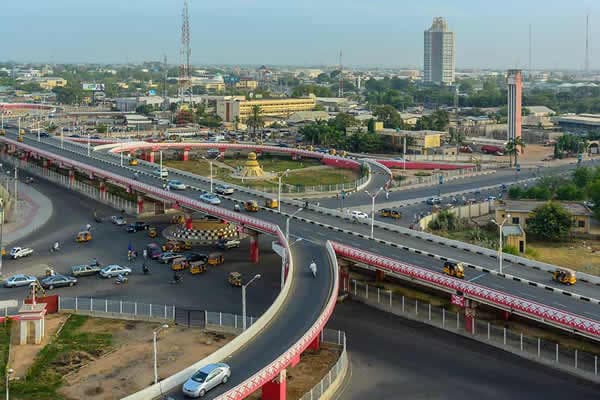
Kano is a city of movement — markets, motorcycles, businesses, traditional neighbourhoods, mosques, restaurants and workshops create a distinctive urban rhythm.
The modern city extends far beyond the historic core, with contemporary hotels, shopping centres, restaurants and entertainment venues providing another side of the Kano experience.
The Ancient Kano City Walls
The historic walls are among Kano's most important physical reminders of its past.
Built to protect the ancient city, the walls once enclosed a much larger urban environment and were accessed through a series of gates.
Several historic gates remain important landmarks today.
Kofar Mata Gate
One of the historic entrances into the old city.
The gate forms part of Kano's wider defensive and architectural heritage and provides a sense of the scale of the historic city.
Kofar Nasarawa
Another historic gateway associated with the old city.
Its location provides access to areas connected to Kano's traditional urban landscape.
Kofar Wambai
One of the historic gates of Kano and part of the network of entrances that once controlled movement into the ancient city.
Together, the surviving gates help visitors understand how Kano was organised as a fortified commercial centre.
Gidan Makama Museum
One of Kano's most important cultural attractions.
The museum is housed in a historic building associated with the traditional institutions of Kano and contains collections relating to the state's history, culture and heritage.
It is an excellent starting point for understanding Kano before exploring the old city.
Emir's Palace
The palace represents the traditional institution of the Emirate of Kano and remains one of the city's most important cultural landmarks.
The emirate has played a central role in the political, religious and cultural history of northern Nigeria.
Visitors should confirm access arrangements before visiting palace grounds or attending ceremonies.
Kurmi Market
One of Kano's most famous commercial landmarks.
The market has historically served as a major trading centre for goods from across northern Nigeria and beyond.
Today, visitors can explore textiles, leather products, spices, traditional clothing, crafts, household goods and other products associated with Kano's commercial culture.
For travellers, Kurmi is not simply a shopping destination — it is an experience of the city's economic history.
Kofar Mata Dye Pits
The Kofar Mata dyeing tradition is one of Kano's most distinctive cultural industries.
Indigo dyeing has been practised in the city for generations, with traditional techniques used to produce richly coloured fabrics.
The dye pits offer visitors an opportunity to see the relationship between craftsmanship, fashion and commerce in Kano.
Dala Hill
Dala Hill is one of Kano's most historically significant elevated landmarks.
The hill is associated with the early history and development of Kano and provides a different perspective on the city's geography.
The elevated landscape also offers views across parts of the city.
Tarauni Market
One of the city's busy commercial areas, offering an opportunity to experience everyday Kano beyond the historic attractions.
Markets throughout Kano demonstrate the scale of the city's trading culture and its importance to the wider region.
Kano Central Mosque
An important religious and architectural landmark in the city.
The mosque forms part of Kano's long history as a centre of Islamic scholarship and northern Nigerian religious life.
Bagauda Lake
A recreational and water landscape associated with the Kano area.
The lake and surrounding environment provide opportunities for leisure and outdoor experiences away from the intensity of the city.
Tiga Dam
One of the major water infrastructure projects in the state.
The reservoir and surrounding landscape have significant importance for agriculture and water management and provide an opportunity to experience another side of Kano's geography.
Rano
A historic community in southern Kano known for its traditional institutions, agriculture and surrounding landscapes.
Rano provides an opportunity to explore areas beyond the state capital.
Wudil
An important town east of Kano City with a strong agricultural and commercial character.
The surrounding countryside provides a more rural perspective on the state.
Culture & Heritage
Kano's cultural identity is deeply connected to Hausa history, Islamic scholarship, traditional institutions, craftsmanship and commerce.
The city has been a centre of learning and trade for centuries, attracting people and goods from across the Sahel and West Africa.
Hausa Heritage
Traditional architecture, clothing, language, music, food and social customs remain important parts of life across Kano.
Emirate Tradition
The Kano Emirate is one of the most important traditional institutions in northern Nigeria.
Royal ceremonies, traditional leadership and cultural events continue to connect contemporary Kano with its historic past.
Islamic Heritage
Kano has a long history as a centre of Islamic scholarship.
Mosques, schools, scholars and religious institutions have played an important role in the development of the city.
Traditional Crafts
Kano has long been associated with:
- Indigo dyeing
- Leatherwork
- Weaving
- Embroidery
- Metalwork
- Pottery
- Woodwork
- Traditional footwear
- Textiles
Many of these crafts remain part of the city's commercial identity.
Food & Lifestyle
Kano offers a strong introduction to northern Nigerian cuisine.
Its food culture reflects Hausa traditions alongside influences from the wider Sahel.
What to Taste
- Tuwo Shinkafa
- Tuwo Masara
- Miyan Kuka
- Miyan Taushe
- Miyan Kubewa
- Masa
- Suya
- Kilishi
- Fura da Nono
- Dambu
- Danwake
- Kunu
- Local rice dishes
- Grilled meat
- Traditional northern snacks
Kano Street Food
The city's markets and neighbourhoods provide opportunities to experience food as part of everyday life.
Morning markets, roadside food stalls, traditional restaurants and evening food spots all contribute to Kano's culinary identity.
Modern Kano
Alongside traditional food, Kano has developed a growing contemporary restaurant and hospitality scene.
Hotels, cafés, restaurants and event venues provide a more modern expression of the city's lifestyle.
Nature & Outdoors
Kano is primarily known for its history and commerce, but the state also contains a variety of landscapes.
Dala Hill
A historic elevated landscape within Kano City.
Bagauda Lake
A leisure-oriented water environment near the capital.
Tiga Reservoir
A large water landscape surrounded by agricultural areas.
Rano Landscapes
The southern part of the state provides more agricultural and rural scenery.
Kano's Savannah
The surrounding savannah landscape changes dramatically between the dry and rainy seasons, creating different experiences throughout the year.
Cities & Places to Base Yourself
Kano City
The principal base for visitors and the best place to experience the state's heritage, markets, food and commercial life.
Wudil
An important eastern town surrounded by agricultural communities.
Rano
A historic southern centre with traditional and agricultural character.
Gaya
A commercial town in southern Kano with connections to surrounding rural communities.
Bichi
An important northern town and commercial centre.
Business & Investment
Kano is one of Nigeria's major commercial and manufacturing centres and has historically served as a major trading hub in West Africa. Its economic strengths include manufacturing, agriculture, trade, textiles, leather, food processing and logistics. Nigerian Investment Promotion Commission
Agriculture provides the foundation for many value chains, including grains, vegetables, livestock and food processing.
The state's industrial base includes rice milling, textiles, plastics, food and beverage production, leather and other manufacturing activities. Recent industrial developments continue to reinforce Kano's position as a major manufacturing centre. Nigerian Investment Promotion Commission
Opportunity Areas
- Agriculture
- Agro-processing
- Rice
- Grains
- Livestock
- Textiles
- Garment manufacturing
- Leather
- Food and beverage
- Light manufacturing
- Logistics
- Wholesale and retail
- Tourism
- Hospitality
- Creative industries
- Cultural enterprises
Kano's visitor economy can build naturally around the sectors that already define the state — particularly craft, fashion, food, commerce, heritage and culture.
Signature Experiences
The Ancient Kano Experience
Explore the old city, historic gates, traditional architecture and landmarks that reveal Kano's long history.
The Kurmi Market Experience
Walk through one of Kano's historic markets and discover textiles, crafts, spices, leather and the rhythm of northern commerce.
The Indigo Experience
Visit Kofar Mata and discover the traditional techniques behind Kano's famous indigo-dyed fabrics.
The Emirate Heritage Experience
Explore Kano's traditional institutions, palace heritage, royal traditions and cultural history.
The Hausa Food Trail
Taste tuwo, miyan kuka, masa, kilishi, fura da nono and other northern Nigerian favourites.
The Kano Craft Experience
Meet artisans working with leather, textiles, embroidery, metal, wood and other traditional materials.
The Dala Hill Experience
Explore one of Kano's historic elevated landmarks and take in the city's changing urban landscape.
The Kano Commerce Experience
Discover the businesses, workshops, markets and trading districts that have made Kano one of West Africa's great commercial centres.
The Contemporary Kano Experience
Experience the city's restaurants, hotels, fashion, events, cafés and modern lifestyle alongside its traditional heritage.
Events & Festivals
Kano's event calendar reflects its Islamic, Hausa and emirate heritage as well as its contemporary commercial and cultural identity.
Durbar
The Kano Durbar is one of the most spectacular expressions of northern Nigerian ceremonial culture.
Horsemen, traditional rulers, musicians and communities come together in elaborate displays of horsemanship, dress and ceremony, particularly around major celebrations.
Eid Celebrations
Eid-el-Fitr and Eid-el-Kabir are major cultural moments across Kano, with prayers, family gatherings, traditional clothing, food and community celebrations.
Cultural & Trade Events
Kano regularly hosts trade fairs, agricultural exhibitions, craft markets, fashion activities and commercial events reflecting the state's importance as a business centre.
Arts & Creative Events
Music, film, fashion and contemporary creative programmes continue to contribute to Kano's evolving cultural scene.
Event dates and access should be confirmed before travel.
Kano at a Glance
Region: Northwest Nigeria
Capital: Kano
Known For: Ancient city, emirate heritage, Kurmi Market, indigo dyeing, commerce, crafts and Hausa culture
Signature Heritage: Historic Kano City and Emirate tradition
Signature Cultural Experience: Durbar, markets and traditional crafts
Landscape: Savannah, hills, reservoirs and agricultural plains
Culture: Hausa, Fulani and other northern communities
Character: Historic, commercial, cultural, energetic and entrepreneurial
The Kano Experience
Kano is a city that has always moved.
Caravans once crossed the region carrying goods between West Africa and the wider Sahara.
Markets connected merchants from different lands.
Artisans developed crafts that became known far beyond the city.
Scholars gathered in its mosques and learning centres.
Emirs shaped its political and cultural history.
And today, the same spirit of enterprise continues through modern businesses, manufacturers, traders, designers and entrepreneurs.
Kano is not simply a place to see history.
It is a place where history is still in motion.
Come for the heritage. Walk the markets. Experience Kano.
Experience Kano for yourself.
Discover more destinations across Nigeria, or start planning your visit today.