
North West · Nigeria
Jigawa
Where the wetlands meet the savannah. In northwestern Nigeria, Jigawa is a land of ancient emirates, open savannah, river valleys, wetlands and remarkable cultural traditions.
The guide
What to know before you go
Jigawa was created in 1991, but its cultural history stretches far deeper.
The territory contains several historic emirates, including Hadejia, Kazaure, Gumel, Ringim and Dutse, each with its own traditions, communities and historical identity.
Geographically, Jigawa lies largely within the Sudan Savannah and extends toward the drier Sahelian environment in the north. The Hadejia and Kafin Hausa river systems create important floodplains and wetlands before connecting with the wider Lake Chad basin.
This relationship with water has shaped life in Jigawa for generations.
Agriculture, fishing, livestock, trade and traditional crafts remain central to many communities, while Dutse and other urban centres continue to develop as modern commercial and administrative hubs.
For visitors, Jigawa offers an opportunity to discover a side of northern Nigeria that is historic, cultural, agricultural and unexpectedly rich in wildlife and wetlands.
Why Visit Jigawa?
Discover the Hadejia-Nguru wetlands
The wetlands are among the most important ecological landscapes in northern Nigeria.
Seasonal flooding creates habitats for resident and migratory birds while supporting farming, fishing and communities whose lives are closely connected to the water.
Explore ancient rock art
The rock paintings around Birnin Kudu offer a glimpse into a much older human history, long before the modern emirates and cities of the region.
Experience the emirates
Hadejia, Kazaure, Gumel, Ringim and Dutse each offer a different perspective on northern Nigerian history, traditional leadership, architecture and culture.
Discover Kazaure's historic landscape
Kazaure combines an old emirate tradition with distinctive hills, historic architecture, markets and surrounding countryside.
Experience northern Nigerian food and hospitality
Jigawa's cuisine reflects Hausa-Fulani traditions, with grains, dairy, meat, vegetables and locally grown produce forming an important part of the food culture.
Places to Discover
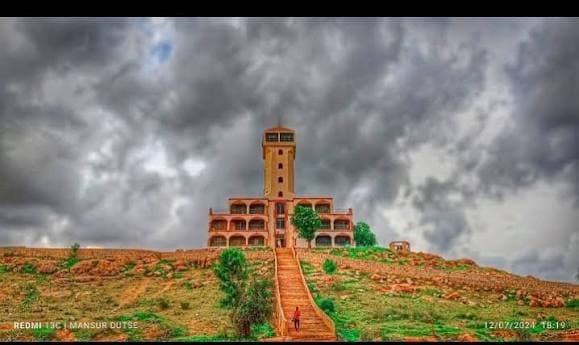
Dutse
The capital of Jigawa and a modern administrative city surrounded by distinctive rocky landscapes.
Dutse is a practical starting point for exploring the state, with hotels, restaurants, markets and access to surrounding communities.
The city's hills and rock formations give it a distinctive character compared with many other northern Nigerian capitals.
Hadejia
One of Jigawa's most historically significant cities.
Hadejia developed around the Hadejia River and became the centre of an important emirate and trading network.
Today, the city remains closely connected to the surrounding wetlands, agriculture, fishing and traditional culture.
Hadejia-Nguru Wetlands
One of the defining natural landscapes of Jigawa.
The wetland system is part of the wider Hadejia-Nguru-Bade biosphere landscape and supports large numbers of resident and migratory birds. The seasonal flood cycle also sustains agriculture and fishing communities. UNESCO
For visitors, the wetlands offer opportunities for birdwatching, photography, nature observation and cultural exploration.
Baturiya
Baturiya forms part of the wetland ecosystem of northeastern Jigawa.
The area is particularly important for birdlife and wetland ecology, making it one of the state's most interesting destinations for nature-focused travellers.
The wider Hadejia-Nguru-Bade landscape has recorded hundreds of bird species and is recognised for its importance to migratory and resident waterbirds. UNESCO
Birnin Kudu Rock Paintings
One of Jigawa's most intriguing heritage attractions.
The ancient rock-art sites around Birnin Kudu contain paintings and markings associated with early human settlement in the region.
The surrounding rocky landscape also adds to the experience, making the area particularly appealing to visitors interested in archaeology, history and photography.
Kazaure
An ancient city and one of Jigawa's historic emirate centres.
Kazaure's story reaches back centuries, with the modern emirate established in the nineteenth century. Its traditional architecture, hills, markets and royal heritage give the city a distinctive character. Jigawa State Government
Kazaure Emir's Palace
The palace represents the continuing traditional institution of the Kazaure Emirate.
Its architectural character and connection to the emirate's history make it an important cultural stop for visitors exploring northern Jigawa.
Visitors should confirm access arrangements before visiting.
Wawan Rafi Lake
Located around Kazaure, Wawan Rafi is associated with leisure, water and the surrounding landscape.
The lake provides an opportunity for fishing, boating and relaxation, subject to current facilities and access.
Gumel
One of Jigawa's historic emirate centres.
Gumel has long been connected to trade and movement across the northern region, particularly because of its proximity to the Niger Republic border.
Its traditional institution and cultural heritage form part of the wider story of Jigawa's old emirates.
Ringim
Ringim is another historic centre within Jigawa's traditional landscape.
The town is associated with local crafts, agriculture and the Ringim Emirate, providing an opportunity to experience a more traditional side of northern Nigerian life.
Maigatari
Located near Nigeria's northern border, Maigatari has an important commercial and trading role.
Its position makes it part of Jigawa's wider connection to cross-border commerce between Nigeria and the Niger Republic.
Culture & Heritage
Jigawa's cultural identity is closely associated with Hausa and Fulani traditions, alongside other communities whose histories are connected to the northern and northeastern parts of the state.
The five historic emirates provide an important framework for understanding the region's traditional culture.
Emirate Heritage
Traditional institutions remain central to cultural life.
Palaces, traditional ceremonies, Durbar celebrations, Islamic festivals, horse culture, music and community gatherings provide visitors with opportunities to experience northern Nigerian heritage.
Durbar Culture
Horse riding and ceremonial processions form an important part of northern Nigerian traditional culture.
During major celebrations, horsemen, traditional rulers, musicians and communities come together in displays of horsemanship, dress and ceremony.
Rock Art
The Birnin Kudu paintings provide a connection to a much earlier period of human history.
They are particularly significant because they show that the cultural story of Jigawa predates the formation of its historic emirates by many centuries.
Traditional Crafts
Leatherwork, embroidery, textiles, basketry and other crafts remain part of the cultural economy of northern communities.
Food & Lifestyle
Jigawa's food reflects the agricultural and pastoral traditions of northern Nigeria.
Millet, sorghum, rice, wheat, beans, vegetables, meat and dairy products are important components of the local diet.
What to Taste
- Tuwo Shinkafa
- Tuwo Masara
- Miyan Kuka
- Miyan Taushe
- Masa
- Kilishi
- Suya
- Fura da Nono
- Local rice dishes
- Fresh fish from wetland communities
- Millet and grain-based dishes
- Traditional northern snacks
The Hadejia wetlands also contribute fish and rice to the local food economy, creating a distinctive connection between the landscape and the table.
Nature & Outdoors
Jigawa's natural identity is defined by the contrast between savannah, wetlands, rivers and dry northern landscapes.
Hadejia-Nguru Wetlands
The state's most important ecological landscape, supporting birds, fish, agriculture and wetland communities.
Baturiya
An important wetland and bird habitat within the wider ecological system.
Hadejia River
The river has shaped settlement, agriculture, fishing and trade across the region.
Kazaure Hills
The elevated terrain around Kazaure creates a striking contrast with the surrounding plains.
Dutse Rocks
Rock formations around the capital contribute to the city's distinctive landscape.
Birnin Kudu Rock Landscapes
The rocks around the ancient paintings combine natural scenery with archaeological heritage.
Cities & Places to Base Yourself
Dutse
The most practical base for exploring Jigawa, with the state's widest range of accommodation and urban services.
Hadejia
Ideal for visitors focused on wetlands, traditional heritage, fishing communities and the Hadejia River landscape.
Kazaure
A strong base for exploring the emirate, hills, traditional architecture and Wawan Rafi area.
Gumel
Useful for experiencing one of the state's historic northern emirates and surrounding communities.
Ringim
A commercial and cultural centre with access to the surrounding agricultural landscape.
Business & Investment
Jigawa's strongest economic opportunity lies in the relationship between agriculture, irrigation, processing, trade and regional connectivity.
The Hadejia-Jama'are river system supports extensive irrigated agriculture, with onions, tomatoes, rice, wheat, peppers and other crops forming important value chains. The state is also a major producer of sesame and other agricultural commodities. Nigerian Investment Promotion Commission
Jigawa's proximity to Kano creates an additional commercial advantage, while its northern border provides opportunities for regional and cross-border trade.
The state also has deposits of minerals including iron ore, kaolin, feldspar, cassiterite, columbite, talc and gypsum. Nigerian Investment Promotion Commission
Opportunity Areas
- Commercial agriculture
- Irrigation
- Onion production
- Rice
- Sesame
- Tomato
- Hibiscus
- Livestock
- Agro-processing
- Cold-chain infrastructure
- Food manufacturing
- Leather and textiles
- Logistics
- Cross-border trade
- Mining
- Hospitality
- Eco-tourism
- Cultural tourism
Jigawa's visitor economy can grow alongside these sectors by connecting agriculture, food, culture, wetlands, heritage and local enterprise.
Signature Experiences
The Hadejia Wetlands Experience
Travel into the wetlands to experience birdlife, waterways, fishing communities and seasonal landscapes.
The Jigawa Emirate Journey
Explore Hadejia, Kazaure, Gumel, Ringim and Dutse to discover the different histories and traditions of the state's emirates.
The Birnin Kudu Rock Art Experience
Travel into the rocky landscapes around Birnin Kudu and discover one of the state's most important archaeological attractions.
The Kazaure Heritage Experience
Explore the historic city, traditional architecture, palace heritage, markets and surrounding hills.
The Northern Food Trail
Taste tuwo, miyan kuka, masa, kilishi, fura da nono and other northern Nigerian favourites.
The Savannah & Wetlands Expedition
Combine Jigawa's dry savannah landscapes with the contrasting wetlands of Hadejia and Baturiya.
The Durbar Experience
Plan a visit around a major traditional celebration and experience horse riding, music, dress and ceremonial culture.
The Agricultural Jigawa Experience
Discover the farms, markets and food systems behind some of northern Nigeria's most important agricultural products.
Events & Festivals
Jigawa's event calendar is closely connected to its emirates, Islamic traditions, agriculture and community life.
Durbar Celebrations
Traditional horse processions and ceremonial gatherings take place around major celebrations in the emirates.
Eid Celebrations
Eid-el-Fitr and Eid-el-Kabir are major cultural moments across the state, bringing together families, communities and traditional institutions.
Hadejia Cultural Celebrations
The relationship between the Hadejia Emirate, river and wetlands is reflected in local cultural activities and community traditions.
Community Festivals
Towns and villages across Jigawa maintain their own cultural celebrations, often connected to agriculture, traditional institutions and local identity.
Event dates and access should be confirmed before travel.
Jigawa at a Glance
Region: Northwest Nigeria
Capital: Dutse
Known For: Historic emirates, Hadejia-Nguru wetlands, Birnin Kudu rock paintings, agriculture and northern culture
Signature Natural Experience: Hadejia-Nguru wetlands
Signature Heritage: Birnin Kudu rock paintings and the historic emirates
Landscape: Savannah, wetlands, rivers, rocky hills and semi-arid plains
Culture: Hausa, Fulani and other northern communities
Character: Historic, agricultural, ecological, cultural and understated
The Jigawa Experience
Jigawa is a state of contrasts.
Dry savannah gives way to wetlands.
Ancient rock paintings sit within landscapes shaped by people thousands of years ago.
Emirate palaces carry the traditions of northern Nigeria.
Rivers bring life to farms and fishing communities.
Birds arrive from distant parts of the world to spend seasons in its wetlands.
Markets connect farmers, traders and communities across the region.
And beneath the modern state lies a much older story — one written in rock, water, trade, culture and tradition.
Come for the heritage. Follow the wetlands. Discover Jigawa.
Experience Jigawa for yourself.
Discover more destinations across Nigeria, or start planning your visit today.