
North East · Nigeria
Gombe
Where the savannah meets the hills. Known as the Jewel in the Savannah, Gombe is a destination of open landscapes, dramatic hills, ancient communities and diverse cultural traditions.
The guide
What to know before you go
Gombe sits at an important meeting point in northeastern Nigeria.
The landscape changes noticeably across the state — from the higher terrain of the south to the open savannah and drier landscapes farther north. The Gongola River and its tributaries contribute to the agricultural and ecological character of the region.
Gombe is also culturally diverse, with communities including the Tangale, Tula, Waja, Fulani, Hausa, Tera and others, each contributing distinctive traditions, languages and histories.
The result is a destination where traditional institutions, agricultural communities, dramatic landscapes and growing urban life exist alongside one another.
For travellers, Gombe offers something increasingly rare: space to explore, landscapes to discover and cultures that remain closely connected to place.
Why Visit Gombe?
Explore the hills of southern Gombe
The southern part of the state is defined by striking highland landscapes.
Tula Plateau, Tangale Hills and other rocky formations create opportunities for hiking, photography, exploration and cultural discovery.
Experience the scale of Dadin Kowa
The vast Dadin Kowa reservoir creates one of the state's most impressive landscapes.
The combination of water, hills, agriculture and surrounding communities makes the area ideal for scenic and nature-focused experiences.
Discover Gombe's cultural diversity
Gombe is not defined by a single cultural tradition.
Tangale, Tula, Waja, Fulani, Hausa, Tera and other communities contribute to a rich cultural landscape expressed through festivals, food, music, crafts and traditional institutions.
Explore the history of the savannah
From the Gombe Emirate to historic settlements and traditional communities, the state contains layers of northern Nigerian history that extend well beyond its modern capital.
Experience the quieter side of northeastern Nigeria
Gombe offers a different pace from the larger cities of the region.
Its appeal lies in landscapes, communities, local food, outdoor exploration and the opportunity to experience northeastern Nigeria away from the usual routes.
Places to Discover
Gombe City
The capital and commercial centre of the state.
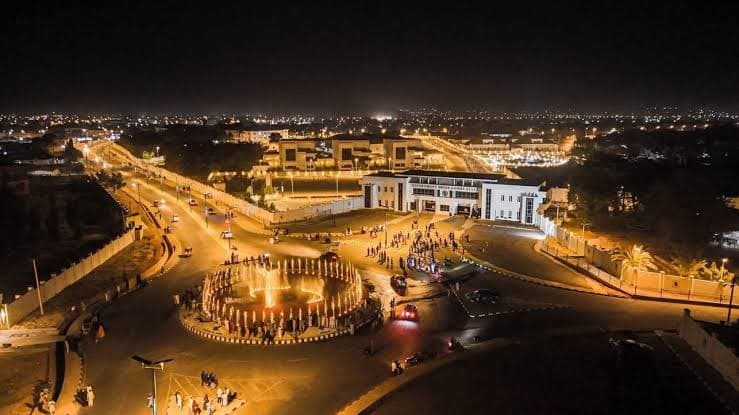
Gombe City combines traditional northern Nigerian character with modern commerce, hospitality, restaurants, markets and growing urban development.
It is the natural base for exploring the wider state.
Gombe Emir's Palace
The traditional institution of the Gombe Emirate remains an important part of the city's historical and cultural identity.
The palace and wider emirate heritage provide an opportunity to understand the traditional structures that have shaped the region.
Access to palace grounds and ceremonies should be confirmed before visiting.
Dadin Kowa Dam
One of the most significant landmarks in Gombe.
The large reservoir sits within a broad landscape of water, hills and agricultural communities.
Beyond its role in water, irrigation and energy, the area offers considerable potential for scenic drives, photography, fishing, boating and nature-based experiences.
Tula Plateau
A dramatic highland landscape in southern Gombe.
The plateau is characterised by deep valleys, elevated terrain, rocky formations and traditional communities.
The area has long been associated with distinctive cultural traditions and offers some of the state's strongest opportunities for hiking and landscape exploration.
Tangale Hills
The hills around Billiri form one of the defining landscapes of southern Gombe.
They are closely connected to Tangale history and identity, while the surrounding terrain provides opportunities for photography, hiking and cultural exploration.
Bima Hill
One of Gombe's more intriguing natural landmarks.
Bima Hill is surrounded by local history, traditions and stories that have become part of the cultural landscape of the area.
Its combination of geological character and cultural significance makes it an interesting destination for travellers looking to explore beyond conventional attractions.
Kilang Hill
A distinctive geological formation in Gombe's southern landscape.
Its unusual shape and elevated terrain add another dimension to the state's collection of hills and rocky landmarks.
Kaltungo
Kaltungo is one of the major communities in southern Gombe and an important gateway to the state's highland landscapes.
The area combines cultural heritage, traditional institutions, hills and rural scenery.
It is particularly suited to visitors interested in exploring the relationship between Gombe's communities and their surrounding landscapes.
Pindiga
A historic community in Akko Local Government Area with connections to the wider Jukun heritage of the region.
The area around Pindiga provides opportunities to explore traditional communities, history and the rural landscapes of central Gombe.
Ancient Binga
The remains associated with ancient Binga offer a window into the region's pre-modern history and the former Pindiga Jukun Chiefdom.
For history-focused travellers, the site provides another layer to Gombe's story beyond its more familiar emirate heritage.
Nafada
An old riverside settlement in northern Gombe.
Its location along historic routes gives it an important connection to trade and movement across the savannah.
The surrounding landscape offers a quieter perspective on the northern part of the state.
Ashaka
Located in Funakaye, Ashaka is associated with one of the region's major industrial landmarks and sits within the northern savannah landscape.
The area demonstrates another dimension of Gombe — a state where agriculture, natural resources and industry intersect.
Culture & Heritage
Gombe's greatest cultural strength is its diversity.
The state brings together multiple communities with distinct traditions and histories.
Tangale Heritage
The Tangale communities of southern Gombe have a strong cultural identity connected to the hills and highlands of the region.
Traditional leadership, festivals, music, dance and community traditions remain important expressions of this heritage.
Tula Heritage
The Tula communities are closely connected to the dramatic highland landscapes of southern Gombe.
Their traditions, settlements and relationship with the surrounding terrain form an important part of the state's cultural identity.
Waja Heritage
The Waja people are another important cultural community in Gombe, with traditions expressed through festivals, music, agriculture and community life.
Fulani & Hausa Heritage
Fulani and Hausa traditions contribute significantly to the cultural landscape of Gombe, particularly through pastoral traditions, trade, Islamic heritage, food, clothing and traditional institutions.
Traditional Institutions
Emirates, chiefdoms and local traditional institutions remain important throughout the state.
They provide continuity between Gombe's historical communities and contemporary life.
Food & Lifestyle
Gombe's cuisine reflects the food culture of northeastern Nigeria while incorporating ingredients produced across its agricultural communities.
Grains, millet, sorghum, maize, beans, groundnuts, vegetables, meat and dairy feature prominently in local diets.
What to Taste
- Tuwo
- Miyan Kuka
- Miyan Taushe
- Miyan Kubewa
- Masa
- Suya
- Kilishi
- Grilled meat
- Local rice dishes
- Beans and grain dishes
- Fresh vegetables
- Traditional northern snacks
Local markets are particularly valuable for experiencing the everyday food culture of the state.
For visitors, food is an opportunity to move beyond sightseeing and experience the agricultural and cultural character of Gombe directly.
Nature & Outdoors
Gombe's landscapes change dramatically as you travel through the state.
Tula Plateau
Highland scenery, valleys, rock formations and traditional communities make Tula one of the state's most compelling outdoor destinations.
Tangale Hills
A distinctive combination of mountains, rocks and open savannah.
Dadin Kowa Reservoir
A vast body of water surrounded by agricultural and savannah landscapes.
Bima Hill
A striking natural landmark associated with local traditions and stories.
Kilang Hill
A distinctive geological feature within the southern landscape.
Gongola River Landscapes
The river system supports agriculture and communities while adding another dimension to Gombe's geography.
Cities & Places to Base Yourself
Gombe City
The principal base for visitors, with the widest range of hotels, restaurants, shops and transport services.
Kaltungo
An important southern centre and gateway to the state's highland landscapes.
Billiri
A major Tangale community surrounded by hills and agricultural landscapes.
Kumo
A significant commercial centre in Akko Local Government Area and an important connection point between communities across central Gombe.
Nafada
A historic northern settlement with a different landscape and cultural character from southern Gombe.
Bajoga
An important northern town and commercial centre with connections to the wider savannah and industrial corridor.
Business & Investment
Gombe's economy is strongly connected to agriculture, trade, natural resources, manufacturing, energy and emerging tourism.
The state produces a wide range of agricultural commodities including grains, cotton, groundnuts, tomatoes, rice, cassava, beans and other crops.
Its location also gives Gombe an important commercial role in northeastern Nigeria, connecting markets and communities across the region.
The state possesses significant mineral resources, including limestone, gypsum, kaolin, silica sand, iron ore and other deposits.
Opportunity Areas
- Agribusiness
- Agro-processing
- Cotton
- Groundnut processing
- Rice
- Food production
- Mining
- Cement and construction materials
- Energy
- Manufacturing
- Logistics
- Hospitality
- Tourism
- Water-based enterprises
Tourism can become another layer of the state's economy by connecting its landscapes and cultural assets with accommodation, transportation, food, guiding, events and local enterprises.
Signature Experiences
The Tula Highlands Experience
Explore the dramatic terrain of Tula Plateau, its valleys, rocky landscapes and surrounding communities.
The Tangale Hills Journey
Travel through southern Gombe and experience the hills and cultural landscapes associated with Tangale heritage.
The Dadin Kowa Escape
Spend time around the reservoir, combining scenic landscapes, local food, fishing and nature-based activities where available.
The Gombe Heritage Journey
Discover traditional institutions, historic settlements and the stories of the communities that shaped the state.
The Gombe Food Trail
Explore local markets, traditional restaurants and northern Nigerian cuisine.
The Savannah Road Trip
Travel across the state from the southern highlands through central savannah to the northern landscapes, experiencing how dramatically the geography changes along the way.
The Gombe Culture Experience
Meet local communities, experience traditional music and dance, explore crafts and participate in cultural celebrations where appropriate.
The Hills & Rocks Expedition
Combine Bima Hill, Kilang Hill, Tula and other geological landscapes into an outdoor exploration of Gombe.
Events & Festivals
Gombe's cultural calendar reflects the diversity of its communities.
Traditional festivals often centre around agriculture, harvests, community identity, traditional institutions and cultural heritage.
Tangale Cultural Celebrations
Cultural events across Tangale communities provide opportunities to experience traditional music, dance, dress and community life.
Tula Cultural Events
Traditional celebrations in Tula highlight the distinctive heritage of the highland communities.
Waja Cultural Celebrations
Waja communities maintain festivals and cultural gatherings that reflect local history and identity.
Emirate & Traditional Ceremonies
Traditional institutions across Gombe maintain ceremonial calendars that form an important part of the state's cultural life.
Event dates and access should be confirmed before travel.
Gombe at a Glance
Region: Northeast Nigeria
Capital: Gombe
Known For: Savannah landscapes, Tula Plateau, Tangale Hills, Dadin Kowa, diverse cultures and agriculture
Signature Natural Attraction: Tula Plateau and the southern highlands
Signature Water Landscape: Dadin Kowa Reservoir
Landscape: Savannah, hills, valleys, rivers and highlands
Culture: Tangale, Tula, Waja, Fulani, Hausa, Tera and other communities
Character: Open, cultural, agricultural, historic and adventurous
The Gombe Experience
Gombe is a state of contrasts.
Highlands rise from the savannah.
Ancient communities sit beside growing towns.
Water stretches across the landscape at Dadin Kowa.
Traditional institutions preserve stories carried through generations.
Farmers work the land that has sustained communities for centuries.
And across the state, different cultures come together to create a destination that feels unmistakably northeastern yet distinctly its own.
Come for the hills. Follow the rivers. Discover the Jewel in the Savannah.
Experience Gombe for yourself.
Discover more destinations across Nigeria, or start planning your visit today.