
South South · Nigeria
Delta
Where the rivers tell the story. From the River Niger and the source of the Ethiope to Nana's historic palace, the beaches of Abraka and the energy of Warri and Asaba, discover a state where rivers, culture, history and enterprise come together.
The guide
What to know before you go
From the banks of the Niger in Asaba to the forests and waterways of the Delta, Delta State is a destination shaped by rivers, history, culture, enterprise and the energy of the Niger Delta.
Its visitor story is unusually diverse. There is the historic Nana Living History Museum in Koko, the Lander Brothers Anchorage in Asaba, the source of the Ethiope River, the beaches of Abraka and Asaba, the cultural landscapes of Okpe and Ogwashi-Uku, and a growing contemporary identity around Asaba's creative and entertainment economy. Delta State itself identifies these sites as investment opportunities within its tourism strategy. Delta State Government
But Delta is also one of Nigeria's major economic centres. The Warri–Effurun corridor is a major oil-services and industrial cluster, while Asaba has developed as a commercial city linked closely to Onitsha across the Niger. Agriculture, manufacturing, energy and real estate add another dimension to the state's story.
Why Visit Delta?
Asaba
A modern riverside capital with growing hospitality, entertainment, film and commercial activity.
The Ethiope River
One of Delta's defining natural assets, beginning at Umuaja and flowing through the state's landscape.
Abraka
Known for its river, beach and leisure environment, offering one of Delta's most accessible nature escapes.
Nana Living History Museum
A remarkable heritage site in Koko documenting the history of Chief Nana Olomu and the nineteenth-century trade networks of the Niger Delta.
Lander Brothers Anchorage
A historic waterfront site in Asaba associated with the exploration of the River Niger.
Warri
A major commercial and industrial city with deep connections to Nigeria's petroleum economy.
Culture & Festivals
Urhobo, Isoko, Itsekiri, Ijaw, Anioma and other communities contribute to a diverse cultural landscape.
Film & Creativity
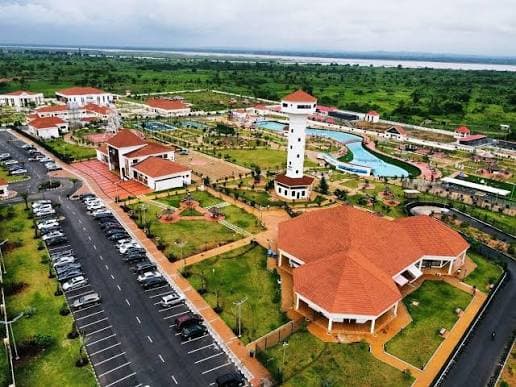
Asaba is increasingly associated with Nigeria's film industry, with the state government identifying its Leisure Park and Film Village as part of the city's tourism and creative-economy development.
Places to Discover
Asaba
The city on the Niger.
Asaba is Delta's capital and one of the most important gateways into the state.
Its position on the western bank of the River Niger connects it naturally with Onitsha and the wider Southeast, while the city itself has developed into a growing centre for business, hospitality, entertainment and creative production.
The city's tourism assets include:
- River Niger waterfront
- Lander Brothers Anchorage
- Mungo Park House
- Asaba Beach
- Ojife Monument
- Ekumeku Monument
- Leisure and entertainment developments
- Film and creative-industry activity
Delta's investment agency specifically identifies Asaba's waterfront, historic sites and new leisure and film developments as part of the state's tourism proposition.
River NigerThe River Niger is central to Asaba's identity.
It is not simply a geographical feature. It has shaped movement, trade, settlement and the relationship between communities on both sides of the river.
The Second Niger Bridge has further strengthened the physical connection between Asaba and Onitsha, reinforcing the city's role within one of southeastern Nigeria's major commercial corridors.
Potential Visit Nigeria experience:
The Niger Waterfront Experience
A curated journey combining the river, history, food, sunset and contemporary Asaba.
Lander Brothers AnchorageOne of Asaba's most important historical sites.
The anchorage is associated with the Lander brothers, Richard and John Lander, whose nineteenth-century expedition helped establish the course of the lower Niger for European geographical knowledge.
The site provides an opportunity to tell a broader story about:
- The River Niger
- European exploration
- Trade
- Colonial history
- Asaba
- The changing relationship between Nigeria and the outside world
Delta State officially identifies Lander Brothers Anchorage as one of its tourism investment sites.
Mungo Park HouseAnother historic site in Asaba associated with the history of European exploration of the Niger.
It can form part of a broader Asaba Heritage Trail connecting Lander Brothers Anchorage, Mungo Park House and other historic monuments.
AbrakaA river escape in the heart of Delta.
Abraka is one of Delta's best-known leisure destinations, particularly around the River Ethiope and Abraka Beach.
The area combines flowing water, vegetation, hospitality and outdoor recreation.
Potential experiences include:
- River swimming where officially permitted
- Canoeing
- Nature walks
- Picnics
- Photography
- Fishing
- Riverside dining
- Weekend escapes
Delta State identifies Abraka Beach and The Turf, Abraka among its tourism investment opportunities.
Ethiope RiverOne of Delta's great natural stories.
The Ethiope River rises around Umuaja and flows through the state before joining the wider Niger Delta river system.
Delta State specifically identifies the source of the Ethiope River at Umuaja as a tourism asset and investment opportunity.
The river creates the foundation for a distinctive nature product:
Source of the Ethiope
A guided journey from the river's source through the surrounding landscape, combining nature, community, photography and local storytelling.
Nana Living History Museum — KokoA window into the Niger Delta's trading past.
The Nana Living History Museum in Koko preserves the former residence and history of Chief Nana Olomu, a major Itsekiri figure associated with nineteenth-century trade in the Niger Delta.
The museum provides a valuable way to understand:
- Itsekiri history
- Palm-oil trade
- European commerce
- Niger Delta political history
- Colonial-era relationships
- Traditional leadership
Delta State identifies Nana's Palace as one of its principal tourism assets.
Potential experience:
The Nana Heritage Journey
Koko → Nana's Palace → Itsekiri culture → Niger Delta trade → local food.
WarriThe commercial heart of the Delta.
Warri is one of the state's best-known cities and an important centre of Nigeria's oil and gas economy.
The wider Warri–Effurun corridor contains a dense concentration of petroleum and industrial infrastructure. NIPC identifies the corridor as one of Nigeria's major oil-services clusters, with significant opportunities in engineering, equipment supply, industrial catering, facility management and related services.
But Warri also has a strong cultural identity.
Its surrounding communities connect to Itsekiri, Urhobo and Ijaw heritage, creating opportunities for food, music, history and cultural experiences.
OgharaOghara is an important community in Delta's western corridor and an increasingly significant commercial and industrial area.
The surrounding landscape combines agriculture, waterways and urban development, making it relevant to both the state's economic and visitor-economy story.
Ogwashi-UkuA centre of Anioma heritage.
Ogwashi-Uku is one of the important cultural centres of Delta's Anioma communities.
The area is associated with traditional institutions, festivals, crafts and community heritage.
Delta's investment material identifies Obi's Palace at Idumuje-Ugboko, along with other cultural monuments, as part of the state's tourism opportunity portfolio.
SapeleSapele sits within Delta's industrial and riverine landscape.
The town's history is connected to timber, rubber, industry and the wider Niger Delta economy.
The Songhai-Delta Centre in Sapele is identified by the state as a tourism and agricultural-development asset, offering potential for farm, food and agro-processing experiences. Delta State Government
Potential experience:
From Farm to Table — Sapele
A journey through agricultural production, local food and agro-processing.
AbohAboh is an important historic settlement along the Niger Delta waterways.
The state identifies slave-trade relics at Aboh among its tourism and heritage assets. Delta State Government
This creates an opportunity for a carefully researched heritage trail examining the history of riverine trade, slavery, migration and commerce.
Culture & Heritage
Delta's greatest cultural strength is its diversity.
The state contains multiple cultural zones, including:
- Anioma
- Urhobo
- Isoko
- Itsekiri
- Ijaw
- Other Niger Delta communities
Their traditions are expressed through:
- Royal institutions
- Festivals
- Masquerades
- Traditional dances
- Drumming
- Storytelling
- Weaving
- Beadwork
- Wood carving
- Fishing traditions
- Riverine culture
- Traditional cuisine
Urhobo Culture
The Urhobo people have a rich tradition of music, dance, food, oral history and traditional institutions.
Itsekiri Heritage
Itsekiri culture is particularly important to Delta's coastal and trading history, with Nana Olomu's legacy providing one of the state's strongest heritage narratives.
Anioma Heritage
The Igbo-speaking communities of northern Delta have their own distinctive traditions, festivals and royal institutions.
Isoko Culture
Isoko communities contribute distinctive food, music, festivals and traditional practices to the state's cultural landscape.
Ijaw Heritage
Riverine Ijaw communities preserve traditions deeply connected to waterways, fishing and the wider Niger Delta environment.
Food & Lifestyle
Delta's food culture reflects its geography.
The combination of rainforest, rivers, farms and coastal communities produces a cuisine rich in fish, seafood, vegetables, cassava, plantain and palm products.
Banga Soup
A palm-fruit-based soup strongly associated with the Niger Delta.
Starch & Banga
A classic Delta combination, particularly associated with Urhobo and neighbouring communities.
Owo Soup
A rich traditional soup found across parts of the Niger Delta and southwestern/southern cultural belt.
Fresh Fish & Seafood
Riverine and coastal communities provide a natural foundation for fish and seafood experiences.
Pepper Soup
Fish, goat and other proteins feature prominently in local preparations.
Local Palm Products
Palm oil, palm fruit and other products remain important to the food and agricultural economy.
Experience Delta
Delta has the ingredients for a strong portfolio of bookable experiences.
Asaba Heritage Trail
Lander Brothers Anchorage → Mungo Park House → historic monuments → Niger waterfront.
Niger Sunset Experience
A relaxed riverside experience combining the Niger, food, music and sunset.
Ethiope River Experience
Explore the source and waterways of one of Delta's defining rivers.
Abraka River Escape
A weekend experience built around water, nature, leisure and hospitality.
Nana Heritage Journey
Explore Koko, Nana's Palace and the history of Niger Delta trade.
Warri Cultural & Food Experience
Discover the city's food, music, communities and contemporary character.
Delta Food Trail
Traditional soups, local staples, markets and riverside cuisine.
Songhai Farm Experience
Explore agriculture, food production and sustainable farming around the Songhai-Delta Centre.
Delta Heritage Circuit
A multi-day itinerary connecting Asaba, Koko, Sapele, Ogwashi-Uku and other cultural destinations.
Asaba Film & Creative Experience
Explore Delta's growing relationship with Nollywood and contemporary creative production.
Events & Festivals
Delta's cultural calendar is diverse, with festivals reflecting its many communities.
- Cultural festivals
- New Yam celebrations
- Royal festivals
- River and fishing events
- Traditional wrestling
- Masquerade festivals
- Food festivals
- Music events
- Creative and film events
- Sports events
- Regattas
Delta State's investment material specifically identifies cultural festivals, regattas and sports as tourism event opportunities.
Business & Investment
Delta has one of Nigeria's most substantial non-tourism economic stories.
NIPC currently describes the state as a petroleum powerhouse and emerging industrial destination, with the Warri–Effurun corridor forming a major oil-services cluster. It also highlights agriculture, manufacturing, real estate and gas utilisation as investment opportunities.
Oil & Gas
The petroleum economy remains central to Delta, particularly around Warri and the surrounding corridor.
Gas & Energy
Delta's associated gas resources create opportunities in gas processing, fertiliser, power and petrochemical industries. NIPC identifies Delta among the states with significant opportunities in Nigeria's gas and energy transition.
Manufacturing
The state's industrial base provides opportunities for manufacturing, engineering and industrial services.
Agriculture
Ndokwa, Oshimili and Aniocha are among areas identified by NIPC for significant production of cassava, palm oil and rubber.
Real Estate
Asaba's growth and its connection to Onitsha are creating increasing demand for residential, commercial and hospitality development.
Tourism
The state's long list of rivers, beaches, historical sites, festivals and cultural assets creates opportunities for hotels, resorts, leisure facilities, tours, restaurants and visitor services.
Creative Economy
Asaba's growing film ecosystem creates opportunities to connect Nollywood, hospitality, locations, events and tourism.
Cities & Places to Base Yourself
Asaba
Best base for business, hospitality, culture, the Niger waterfront and access to northern Delta.
Warri
The principal base for exploring the western Delta and the state's oil-and-gas corridor.
Abraka
Ideal for river, leisure and weekend experiences.
Sapele
A useful base for exploring central Delta, agriculture and surrounding communities.
Koko
The gateway to Nana's Living History Museum and Itsekiri heritage.
Ogwashi-Uku
A cultural base for exploring Anioma heritage.
Nature & Outdoors
Delta's natural identity is built around water.
Visitors can explore:
- River Niger
- Ethiope River
- Creeks
- Beaches
- Lakes
- Forests
- Wetlands
- Palm landscapes
- Fishing communities
- Riverside environments
The state's official investment material identifies Ethiope River, Abraka Beach, Asaba Beach, Eni Lake and Okpuzu Falls among its tourism assets.
Delta at a Glance
Delta's current investment profile supports a destination narrative that combines its economic strength with its underdeveloped tourism and cultural assets.
The Delta Story
Delta is a state shaped by movement.
The River Niger carrying people and commerce.
The Ethiope flowing through green landscapes.
Canoes moving through waterways.
Historic trading routes connecting communities to the outside world.
Nana's story preserved in Koko.
Warri growing around the energy economy.
Asaba emerging as a centre of business, film and creativity.
Come for the river.
Discover the history.
Taste the culture.
Experience the Delta.
Experience Delta for yourself.
Discover more destinations across Nigeria, or start planning your visit today.