
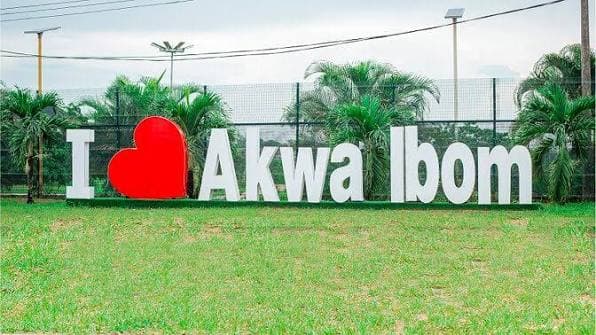
South South · Nigeria
Akwa Ibom
Where the coast meets culture. From the energy of Uyo to the Atlantic shores of Ibeno, the heritage of Oron and the craftsmanship of Ikot Ekpene, discover a state shaped by culture, cuisine, history, hospitality and the sea.
The guide
What to know before you go
About Akwa Ibom
Akwa Ibom is one of Nigeria’s coastal states, stretching from the urban centre of Uyo to riverine and Atlantic communities along the state’s southern and eastern edges. Its landscape combines rainforest, waterways, beaches, mangrove environments and fertile agricultural areas, giving the state a natural foundation for both leisure and outdoor experiences. NIPC identifies the state’s coastline, marine resources, agriculture, tourism, hospitality, oil and gas, aviation and maritime economy among its competitive and investment opportunities.
But Akwa Ibom is more than its natural landscape.
Its cultural identity is expressed through Ibibio, Annang, Oron and other communities, each with distinctive traditions, food, music, crafts and festivals. The state’s heritage ranges from the ancestral carvings preserved at the National Museum Oron to the raffia craftsmanship of Ikot Ekpene and the historical sites of Ikot Abasi. The National Commission for Museums and Monuments officially lists National Museum Oron among Nigeria’s national museums.
Uyo provides the modern face of the state: a growing hospitality, entertainment, business and events centre, supported by Victor Attah International Airport and an expanding air network. Ibom Air currently connects Uyo with Abuja, Accra, Calabar, Enugu, Lagos and Port Harcourt, giving the state an increasingly connected gateway into Nigeria and West Africa.
Akwa Ibom's opportunity is to bring all of these dimensions together — coast, culture, food, history, hospitality and commerce — into one destination experience.
The Coast
Long stretches of shoreline, beaches, waterways and riverine communities create opportunities for beach, boating, fishing and coastal experiences.
Living Culture
Ibibio, Annang and Oron traditions remain visible through food, crafts, music, festivals, masquerade traditions and community life.
A Remarkable Food Culture
Afang, edikang ikong, ekpang nkukwo, seafood and other local dishes give Akwa Ibom a distinctive culinary identity.
History That Connects to Nigeria
Ikot Abasi contains important sites associated with Nigeria's colonial history, while Oron preserves an important collection of ancestral art.
Raffia City
Ikot Ekpene remains closely associated with raffia weaving and craftsmanship, providing an opportunity to experience Nigerian craft directly from its makers.
Uyo
A clean, increasingly sophisticated urban base for hospitality, dining, events, golf, entertainment and business travel.
Uyo
The state capital and natural starting point for exploring Akwa Ibom.
Uyo combines government and business districts with hotels, restaurants, entertainment, cultural attractions and major event venues. It is also the main base for visitors arriving through Victor Attah International Airport.
Explore the city through its food, nightlife, hospitality, public spaces and cultural institutions.
Ibom Plaza
A central landmark in Uyo and an important public space within the capital.
The plaza represents the civic heart of the city and provides a natural starting point for exploring central Uyo.
Godswill Akpabio International Stadium
One of Nigeria’s major modern sporting venues.
The stadium has hosted national and international football and provides Akwa Ibom with an important platform for sports tourism, major events and destination visibility.
Ibeno Beach
Where Akwa Ibom meets the Atlantic.
Ibeno is one of the state's defining coastal destinations, offering expansive shoreline, ocean views, fishing communities and opportunities for beach and water-based experiences. The beach is particularly striking at sunrise and sunset.
National Museum Oron
A major cultural institution on the coast.
The museum preserves important examples of Oron heritage, particularly the Ekpu ancestral carvings, alongside other ethnographic material. It offers visitors a deeper understanding of the artistic traditions and history of the Lower Cross River region.
Ikot Ekpene — The Raffia City
A destination built around craftsmanship.
Ikot Ekpene is renowned for raffia products and provides an opportunity to see local artisans at work and discover baskets, furniture, bags, mats and other products made from raffia. Its town plaza is also a central public and leisure space.
Ikot Abasi
A place where Nigeria's history can be experienced on the ground.
The area contains the Amalgamation House, associated with the events surrounding the 1914 amalgamation, as well as other historical sites including Lord Lugard's residence, the Bridge of No Return and locations connected with the 1929 Women's War.
These sites form an important historical trail for visitors interested in Nigeria's colonial and pre-independence history.
Ibom Hotel & Golf Resort
A destination for golf, leisure and hospitality.
The resort has been one of Akwa Ibom's major hospitality landmarks. In 2026 it entered a renovation and management transition, with the golf course remaining operational during the hotel renovation.
Nwaniba & Marina
A quieter side of Akwa Ibom's coastal and riverine identity.
Nwaniba and the surrounding waterways connect leisure, fishing, markets and waterfront life. The state has also used the area for its boat regatta and fishing festival, linking tourism with the communities that depend on the waterways.
The Blue River, Ukanafun
One of the state's more unusual natural attractions.
The Blue River at Edem Idim has become known for the striking appearance of its turquoise-coloured water and its unusual interaction with surrounding waterways. It remains a developing nature destination, so visitors should confirm local access and conditions before travelling.
Akwa Ibom's cultural identity is broad and deeply rooted.
The Ibibio, Annang and Oron communities have distinctive traditions expressed through language, music, dance, clothing, food, craft and ceremonial life.
Living traditions include:
- Ekpo masquerade traditions
- Ekpe cultural traditions
- Annang cultural performances
- Traditional dance and drumming
- Raffia weaving
- Wood carving
- Fishing traditions
- Community festivals and regattas
- Oral history and folklore
Akwa Ibom deserves a dedicated place on Nigeria's culinary map.
The cuisine is shaped by its forests, farms, rivers and Atlantic coastline, producing a combination of vegetables, seafood, spices, roots and locally sourced ingredients.
Dishes to discover
Afang Soup
A rich vegetable-based soup made with afang leaves and traditionally prepared with assorted ingredients.
Edikang Ikong
A celebrated vegetable soup associated with the region, typically prepared with leafy greens, meat or seafood.
Ekpang Nkukwo
A cocoyam-based dish wrapped and cooked with palm oil, seafood or other local ingredients.
Atama Soup
A distinctive soup made with atama leaves and traditionally paired with local staples.
Fresh Seafood
From coastal communities to local restaurants, seafood is an important part of the state's food culture.
Palm Wine & Local Produce
Traditional drinks and locally sourced ingredients add another layer to the Akwa Ibom food experience.
Uyo City & Food Experience
Discover the capital through its food, culture, hospitality and nightlife.
Ikot Ekpene Raffia Experience
Meet artisans, see raffia being made and shop directly from local producers.
Oron Heritage Experience
Explore the National Museum Oron and the cultural history of the Oron people.
Ikot Abasi History Trail
Follow the Amalgamation House, colonial sites, slave-trade history and Women's War heritage.
Ibeno Beach Escape
A coastal day built around the beach, seafood, sunset and local community experiences.
Akwa Ibom Food Experience
A curated introduction to the state's signature dishes and culinary traditions.
River & Coastal Experience
Explore waterways, fishing communities, boat experiences and waterfront life where access and safety permit.
Golf & Leisure
Build premium golf and hospitality packages around Uyo and the state's golf facilities.
Culture & Festival Experience
Connect visitors to approved cultural performances, festivals and community celebrations.
Akwa Ibom has increasingly positioned festivals and December programming as part of its tourism calendar.
A major example is the state's Christmas Carols Festival and Christmas Unplugged programme, which has developed into a significant December cultural and entertainment period, drawing together music, food, culture and community participation.
Other cultural programming includes:
- Ibom Boat Regatta & Fishing Festival
- Ekpo cultural celebrations
- Annang cultural festivals
- Community new-yam and harvest celebrations
- Cultural exhibitions
- Christmas and New Year celebrations
- Music and entertainment events
Akwa Ibom has an economy built around more than tourism.
Its location, coastline, agricultural base, energy resources and growing infrastructure create opportunities across several sectors. The state government identifies agriculture, tourism and hospitality, oil and gas, industrial development, maritime activity and aviation among its investment opportunities.
Key opportunity areas
Agriculture & Agro-processing
Palm oil, cocoa, fisheries, food production and agricultural processing.
Tourism & Hospitality
Hotels, resorts, beach destinations, eco-tourism, restaurants, experiences and destination services.
Oil & Gas
A major part of the state's economic base, alongside opportunities in gas-related industries and supporting services.
Maritime & Coastal Economy
Fishing, marine services, logistics, waterfront development and related infrastructure.
Industrial Development
The proposed Ibom Industrial City and related infrastructure create a wider industrial opportunity.
Aviation
Victor Attah International Airport and the expansion of regional connectivity strengthen the state's position as a gateway. Ibom Air's current network includes Uyo and Accra alongside major Nigerian cities.
Uyo
The primary base for visitors. Best suited to hotels, restaurants, nightlife, events, business and access to other parts of the state.
Ikot Ekpene
A commercial and cultural centre known especially for raffia craftsmanship and Annang heritage.
Eket
An important commercial centre within the state's oil-producing corridor.
Oron
A coastal and historical destination, particularly important for heritage and riverine experiences.
Ikot Abasi
A strong base for visitors exploring the state's colonial and historical heritage.
Ibeno
The natural base for exploring the Atlantic coastline and beach environment.
Akwa Ibom's outdoor proposition is closely connected to water.
Visitors can explore:
- Atlantic beaches
- Rivers and estuaries
- Mangrove landscapes
- Fishing communities
- Coastal forests
- Boat routes
- Golf
- Waterfront leisure
- Nature and photography locations
The state's coastal tourism opportunity extends beyond Ibeno. Research into its wider coastline has identified additional beaches, islands, mangrove areas, waterfalls and river environments that could eventually become part of a broader tourism network.
Akwa Ibom is a state best understood through contrasts.
A modern city and traditional communities.
Atlantic coastline and rainforest.
Raffia craftsmanship and contemporary hospitality.
Deep history and a growing visitor economy.
Food, culture, water and people.
Come for the coast.
Stay for the food.
Discover the culture.
Leave with a deeper sense of Akwa Ibom.
AKWA IBOM — WHERE THE COAST MEETS CULTURE.
Experience Akwa Ibom for yourself.
Discover more destinations across Nigeria, or start planning your visit today.