
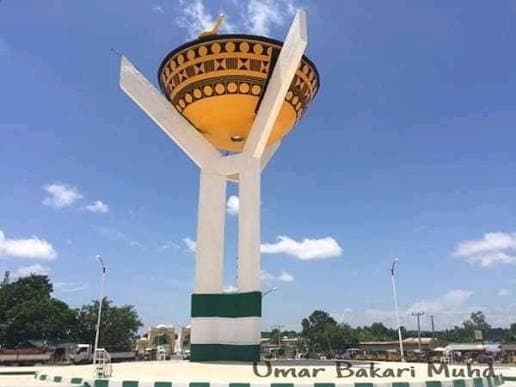
North East · Nigeria
Adamawa
Come for the landscape. Discover the culture. From royal Yola to the mountains of Sukur, discover a state shaped by living traditions, dramatic landscapes and remarkable cultural diversity.
The guide
What to know before you go
Adamawa is one of Nigeria's most culturally diverse states, shaped by a remarkable mix of peoples, traditions and landscapes.
Its capital, Yola, is the historic centre of the Adamawa Emirate and a place where centuries-old royal traditions continue to meet modern Nigerian life. The city and surrounding communities offer visitors a glimpse into the heritage of the Fombina kingdom, from the Lamido's palace and traditional institutions to the colourful horse processions and cultural celebrations that remain part of life in the region.
Beyond Yola, the character of Adamawa changes dramatically. The state stretches from the Benue Valley and its agricultural landscapes to mountain communities along the Cameroon border. In the far east lies Sukur Cultural Landscape, a UNESCO World Heritage Site whose terraced fields, sacred features, palace and remains of an ancient iron-working tradition form one of Nigeria's most distinctive cultural landscapes.
Adamawa is also a state of water and wilderness — with rivers, waterfalls, springs, rock formations, dams and protected landscapes offering opportunities for nature, adventure and cultural tourism. Its official planning documents identify attractions ranging from Kiri Dam and Ruwan Zafi Spring to Sassa and Yadim waterfalls, Gumti Park and the Fombina Palace Museum.
And beneath the cultural and natural story is another important dimension: enterprise. Adamawa's fertile valleys, irrigation potential, livestock economy, border position and agricultural resources create significant opportunities in agribusiness, processing and regional trade. NIPC describes the state as having more than 650,000 hectares of irrigable arable land and a 400-kilometre border with Cameroon.
Adamawa is a place to discover slowly — through its people, its landscapes, its traditions and the stories that connect northern Nigeria with Central Africa.
Why Adamawa?
A Land of Living Heritage
Adamawa's cultural identity is carried through its traditional institutions, festivals, music, dress, crafts and ceremonies. Its population includes numerous ethnic communities, creating one of the state's defining characteristics: diversity within one destination.
Home to a UNESCO World Heritage Site
The Sukur Cultural Landscape is one of Nigeria's UNESCO World Heritage properties, combining a historic hilltop settlement, terraced agriculture, sacred landscapes and evidence of traditional iron production.
A State of Mountains & Valleys
Adamawa's geography changes dramatically across the state — from the Benue Valley to highland and mountain landscapes around the Cameroon border.
Royal Yola
Yola is the historic heart of the Adamawa Emirate, where traditional authority, horse culture and royal ceremonies remain visible parts of the city's identity.
A Gateway to Central Africa
Adamawa shares a long border with Cameroon and sits at an important geographic connection between northeastern Nigeria and Central Africa. NIPC identifies this border position as a potential advantage for regional trade and investment.
Places to Discover
Yola
Where tradition meets modern Adamawa.
Yola is the state's cultural and administrative centre and the place to begin understanding Adamawa.
The city carries the heritage of the Adamawa Emirate, with traditional institutions, royal ceremonies and cultural events providing a living connection to the region's history.
The Lamido Adamawa Durbar, for example, brings together horsemen, traditional regalia, music, dance and royal procession in one of the state's most distinctive cultural spectacles.
Start in Yola. Then let Adamawa unfold around you.
Fombina Palace & Palace MuseumThe Lamido's Palace represents the traditional heart of the Adamawa Emirate.
The associated Fombina Palace Museum preserves artefacts connected to the history and culture of the ancient Fombina Kingdom. The Adamawa State Planning Commission identifies the museum as a major tourism attraction in Yola.
A window into the royal history of Adamawa.
Sukur Cultural LandscapeA mountain kingdom written into the landscape.
Perched along the Nigeria–Cameroon border, Sukur is one of Nigeria's most extraordinary cultural landscapes.
Its hilltop palace, terraced fields, sacred symbols and remains of a historic iron-working industry reveal a society whose cultural and material traditions were deeply connected to the landscape around it.
UNESCO describes Sukur as an exceptionally intact expression of the society's spiritual and material culture, with a recorded history extending back to at least the 16th century.
The destination has also seen infrastructure improvements, including completion of a 14-kilometre access road in 2025. Adamawa State Government
Come for the mountain. Stay for the story.
Kiri DamSet around Kiri in Shelleng Local Government Area, Kiri Dam offers a different side of Adamawa — open landscapes, water and wide views.
The state identifies Kiri Dam as a tourism site with accommodation and scenic appeal.
It has potential for recreation, leisure, fishing and nature-based experiences.
Ruwan Zafi SpringLocated in Lamurde, Ruwan Zafi is a natural spring and one of Adamawa's lesser-known attractions.
For visitors looking beyond the major destinations, sites like Ruwan Zafi demonstrate the depth of the state's natural tourism portfolio.
The quieter side of Adamawa.
Gumti ParkIn Toungo, Gumti Park forms part of Adamawa's nature and wildlife story.
Its landscapes offer potential for nature-based tourism and outdoor exploration, particularly as the state develops its wider tourism infrastructure.
Sassa WaterfallsLocated in Sassa Village in Toungo, Sassa Waterfalls is one of the state's natural attractions, offering dramatic scenery and a refreshing escape into the landscape.
Yadim & Sella Negis WaterfallsAround Yadim in Fufore, visitors can discover waterfalls and surrounding landscapes within relatively close reach of the state capital.
The Adamawa State Planning Commission identifies both Yadim and Sella Negis as tourism attractions.
Makam WallsIn Makam Village, Toungo, ancient wall structures provide another connection to Adamawa's historical architecture.
The state describes the structures as ancient architecture dating back hundreds of years.
Gorobi Rock FormationsIn Mayo-Belwa, Gorobi's natural rock formations add another dimension to Adamawa's landscape.
The area is also connected to Yandang cultural traditions, including Herra Yawhithi, an annual cultural festival held at the ancestral mountain in Gorobi.
Where landscape and living culture meet.
Elephant HouseLocated in Guyuk, the Elephant House is an architectural and cultural site associated with the Lunguda people.
It forms part of the state's wider portfolio of lesser-known heritage attractions.
Culture & Heritage
Many Peoples. One Adamawa.
One of Adamawa's greatest strengths is its cultural diversity.
Fulani, Bwatiye, Chamba, Fali, Ga'anda, Gude, Lunguda, Yandang, Yungur, Kilba, Margi, Higgi and many other communities contribute to the cultural character of the state. Adamawa State Planning Commission
That diversity can be experienced through:
Music
Dance
Traditional dress
Craftsmanship
Food
Royal ceremonies
Festivals
Traditional architecture
This is important for Visit Nigeria because the state should not be marketed simply as a collection of attractions.
The people are part of the destination.
Festivals & Cultural Experiences
Adamawa has a strong calendar of cultural celebrations.
Lamido Adamawa Durbar
Horsemen, traditional regalia, music, dance and royal procession in Yola.
Bwatiye Cultural Festival
A celebration of Bwatiye heritage, traditional music, dance, dress and cultural identity. The 2025 edition was held in Yola.
Sukur Cultural Festival
A celebration connected to the community and heritage surrounding the UNESCO-listed Sukur Cultural Landscape.
Kamwe Cultural Festival
Known as Tswe Wasinata, this annual festival takes place on the first Saturday of April and celebrates Kamwe culture.
Vunon Festival
Also known as Farai-Farai, this four-day celebration is associated with the Bwatiye people.
Njuwa Fishing Festival
Held around Lake Njuwa in Yola, the festival combines fishing with cultural celebration and community gathering.
Adamawa International Film Festival
A contemporary addition to the state's cultural calendar, celebrating cinema and creative expression.
Experience AdamawaThis is where I would eventually turn the destination page into a product engine.
Ride Into Yola's Royal Tradition
Experience the atmosphere of the Adamawa Emirate and discover the traditions surrounding the Lamido and the city's royal heritage.
Discover Sukur
Explore one of Nigeria's most remarkable UNESCO landscapes — its terraces, mountain setting, historic palace and cultural heritage.
Explore Adamawa's Waterfalls
Discover Sassa, Yadim and Sella Negis and experience the state's lesser-known natural landscapes.
Walk Through Fombina History
Explore the palace and museum and learn about the history of the Adamawa Emirate.
Discover Gorobi
Combine natural rock formations with the cultural traditions of the Yandang people.
Experience Adamawa's Festivals
Plan a visit around the state's cultural calendar and experience its traditions through music, dance, food and ceremony.
Explore the Benue Valley
Discover the landscapes and communities shaped by one of Nigeria's great river systems.
Food & Lifestyle
Taste the North East
Adamawa's food reflects its cultural diversity and agricultural landscape.
Visitors can experience dishes and ingredients shaped by the state's communities, livestock economy, grains, tubers, fish and locally grown produce.
The state's market culture is equally important. Its markets connect agricultural communities, traders and consumers across towns and rural areas. The Adamawa State Planning Commission documents a weekly market network where commodities include grains, yam, fish, livestock, potatoes, groundnuts, cassava, beans, fruits and other produce.
Business & Investment
A Gateway Between Nigeria and Central Africa
Adamawa's investment proposition extends well beyond tourism.
The state has significant agricultural potential, with NIPC identifying more than 650,000 hectares of irrigable arable land, substantial water resources and opportunities across crop production, livestock and agro-processing.
Its geography also matters.
Adamawa shares approximately 400 kilometres of border with Cameroon, positioning the state as a potential gateway between Nigeria and markets across Central Africa.
Agribusiness
The Benue Valley and other agricultural zones create opportunities across commercial farming, irrigation, livestock and agro-processing.
Livestock
Adamawa has a long-established livestock economy, with NIPC highlighting the revival potential of the Mambilla Cattle Ranch through a joint-venture framework.
Agro-processing
The opportunity is not simply to produce agricultural commodities but to process, package and move them into domestic and regional markets.
Regional Trade
The Cameroon border provides a strategic geographical advantage for trade and logistics serving Central African markets.
Tourism & Hospitality
Sukur, Yola's cultural heritage, waterfalls, dams, natural landscapes and other attractions create opportunities for hospitality, guided experiences, eco-tourism and destination infrastructure.
Natural Resources
NIPC identifies resources including bauxite, bentonite, coal, gypsum, iron ore, limestone, silica sand and uranium.
Cities & Places to Know
Yola
The capital, cultural centre and historic heart of the Adamawa Emirate.
Jimeta
An important urban and commercial centre within the Yola metropolitan area.
Mubi
A major commercial centre in the northern part of the state and an important gateway toward the Cameroon border.
Numan
A significant town in the Benue Valley with agricultural and cultural importance.
Ganye
A historic town surrounded by mountain landscapes and cultural heritage.
Toungo
A gateway to some of Adamawa's most striking natural landscapes, including Gumti Park and waterfalls.
Arochukwu
No — this belongs to Abia, so it should not appear here. For Adamawa, we keep the geography clean and use places such as Madagali, Guyuk, Mayo-Belwa, Fufore, Shelleng and Lamurde where relevant.
Nature & Outdoors
Beyond the City
Adamawa's landscape is one of its biggest untapped strengths.
Visitors can discover:
Mountains
Waterfalls
Rivers
Springs
Rock formations
Dam landscapes
Wildlife areas
Highland communities
The state planning authority specifically identifies Gumti Park, Sassa Waterfalls, Yadim Waterfalls, Ruwan Zafi Spring, Kiri Dam and Gorobi's rock formations among its tourism assets.
And Sukur adds something completely different: a cultural landscape where human settlement, agriculture, architecture and mountains form one destination.
Adamawa at a Glance
Region: North East
Capital: Yola
Local Government Areas: 21
Border: Cameroon
Signature Heritage: Sukur Cultural Landscape
Known For: Cultural diversity, royal heritage, mountains, landscapes, agriculture and regional trade
Major Cultural Centre: Yola
Key Natural Attractions: Kiri Dam, Ruwan Zafi Spring, Sassa Waterfalls, Yadim Waterfalls, Gumti Park, Gorobi rock formations
Investment Strengths: Agribusiness, livestock, agro-processing, regional trade, tourism and natural resources.
Come for the landscape. Discover the culture.
From the royal traditions of Yola to the mountains of Sukur, Adamawa invites you to see a different side of Nigeria — one shaped by history, diversity, nature and people.
Experience Adamawa for yourself.
Discover more destinations across Nigeria, or start planning your visit today.