
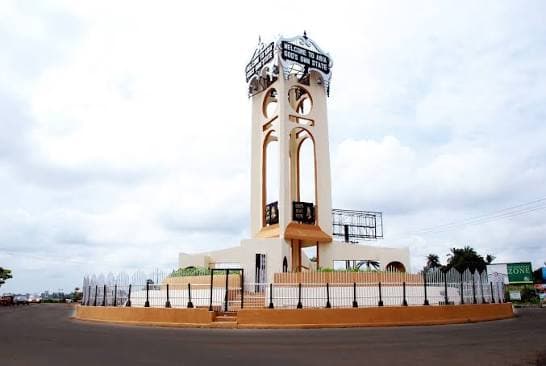
South East · Nigeria
Abia
Where heritage meets enterprise. From the makers of Aba to the historic landscapes of Arochukwu, discover a state shaped by craftsmanship, culture, commerce and community.
The guide
What to know before you go
About Abia
Abia is a state with two strong identities: a deep cultural heritage and an unmistakable entrepreneurial spirit.
In Aba, that spirit is visible everywhere. The city is one of southeastern Nigeria's major commercial and manufacturing centres, known for its markets, artisans and locally made leather, footwear, garments and other products. Ariaria International Market sits at the heart of this commercial culture, while a wider network of workshops and small businesses has made Aba synonymous with Nigerian enterprise and craftsmanship.
Umuahia, the state capital, offers a different perspective. It is closely connected to some of the most important chapters of Nigeria's modern history, including the Nigerian Civil War, while the surrounding communities preserve traditions, stories and cultural practices that reach much further back.
Beyond its cities, Abia opens into rivers, caves, waterfalls, forests and communities with their own distinctive histories. Arochukwu's Long Juju site is on Nigeria's UNESCO Tentative List, reflecting its cultural and historical significance.
Today, Abia is also actively developing its tourism and creative economy. The state has identified more than 55 cultural and tourism sites for development, while current projects include work around the National War Museum, Ojukwu Bunker, Azumini Blue River and other attractions.
Abia is not simply somewhere to pass through. It is a state to discover — through its people, its history, its creativity and the things they make.
Why Abia?
A State of Enterprise
Aba has built a reputation around manufacturing, craftsmanship and commerce. From leather and footwear to textiles and other locally produced goods, the city's entrepreneurial ecosystem is one of Abia's defining characteristics.
A State of Heritage
From Arochukwu's historic landscape to the National War Museum and Ojukwu Bunker, Abia holds stories from different eras of Nigerian history.
A State of Culture
Akwete weaving, masquerade traditions, festivals, music, food and Igbo heritage remain central to the identity of communities across Abia.
A State of Nature
Rivers, waterfalls, caves and forest landscapes offer another side of Abia beyond its cities and markets.
A State with Momentum
Abia is currently investing in tourism, heritage preservation, creative industries and infrastructure, creating new opportunities for visitors, businesses and investors.
Aba
The city that makes things.
Aba is Abia's commercial heart and one of Nigeria's best-known centres of grassroots manufacturing and entrepreneurship. Its workshops, markets and trading districts reveal a city built around skill, commerce and the ability to turn ideas into products.
Don't just visit Aba. Meet the makers.
Ariaria International Market
One of Aba's defining landmarks, Ariaria is a vast commercial ecosystem where traders, artisans and manufacturers operate alongside one another.
For visitors, it offers something more interesting than conventional sightseeing: a look into the energy of Nigerian enterprise at street level.
Arochukwu & the Long Juju
Arochukwu is home to one of Abia's most historically significant cultural landscapes.
The Long Juju Cave Temple complex, associated with the Ibini Ukpabi oracle, forms part of a historic route connected to the region's precolonial political, judicial and trading history and the transatlantic slave trade. The site was submitted by Nigeria to UNESCO's Tentative List in 2007.
A place where history, culture and memory meet.
National War Museum
Located in Umuahia, the National War Museum preserves military artefacts and memories associated with Nigeria's Civil War.
The museum is now undergoing major rehabilitation alongside the Ojukwu Bunker, with the Federal Government and Abia State Government positioning the sites for stronger preservation, visitor experience and tourism value.
A place to encounter one of the most important chapters in Nigeria's modern history.
Ojukwu Bunker
An underground wartime facility associated with the Nigerian Civil War, the Ojukwu Bunker offers visitors a physical connection to the events that shaped modern Nigeria.
Its ongoing rehabilitation is part of a wider effort to preserve Abia's historical assets and strengthen their role as educational and tourism destinations.
Azumini Blue River
In Ukwa East, the Azumini Blue River offers one of Abia's most distinctive natural settings.
The state identifies the river as a tourism asset with potential for recreation, cultural activities and eco-tourism, while development work has been planned around the site.
Clear waters, a quieter landscape and a different pace of Abia.
Akwete Weaving Village
Akwete is synonymous with one of southeastern Nigeria's most recognisable indigenous textile traditions.
The handwoven Akwete cloth is part of Abia's cultural identity and offers visitors the opportunity to see craftsmanship that has been passed through generations.
Come for the cloth. Stay for the story behind it.
Ibom Waterfall
Located in Arochukwu, Ibom Waterfall is among the natural sites currently being developed as part of Abia's tourism ambitions.
In September 2026, the state designated Ibom Waterfall a State Natural Monument and announced work toward developing its tourism potential.
Ulochukwu Cave
Located in Alayi, Bende, Ulochukwu Cave is another natural site being positioned for greater recognition and tourism development.
The state designated the cave a State Natural Monument in 2026 as part of its wider heritage and natural-asset programme.
Culture & HeritageThe Abia Story is Written in Its People
Abia's culture is rooted in Igbo heritage, community, craftsmanship and enterprise.
Traditional festivals, masquerades, music, food, clothing and weaving remain important expressions of identity across the state. The Akwete textile tradition is particularly distinctive, while communities across Ohafia, Arochukwu, Aba, Umuahia and other parts of the state preserve their own histories and cultural expressions.
Abia's cultural story also includes major chapters in Nigeria's national history; from the Aba Women's Riot of 1929 to the Civil War-era history preserved in Umuahia.
This is a destination where culture is not simply something displayed for visitors. It is part of everyday life.
Food & Lifestyle
Taste Abia
Abia's food culture is deeply connected to the wider culinary traditions of southeastern Nigeria.
Visitors can discover dishes built around staples such as yam, cassava, vegetables, palm produce, fish and locally prepared soups and sauces.
But food in Abia is more than a list of dishes. It is part of the hospitality of its communities — from family tables to local restaurants, markets and celebrations.
Eat local. Meet people. Experience the state through its flavours.
Experience AbiaThis should eventually become the commercial heart of the page.
Meet the Makers of Aba
Explore the workshops and craftsmanship behind the city's reputation for locally made products.
Walk Through Arochukwu's History
Discover the Long Juju landscape and the stories surrounding one of Nigeria's most significant historic sites.
Explore Nigeria's Civil War History
Visit the National War Museum and Ojukwu Bunker in Umuahia.
Discover Akwete Craft
See the traditional process behind Akwete weaving and the people keeping the craft alive.
Escape to the Blue River
Spend time around Azumini and experience a quieter side of Abia.
Explore Abia's Natural Heritage
Discover waterfalls, caves, rivers and lesser-known landscapes across the state.
Business & Investment
A State Built on Enterprise
Abia's economic story is inseparable from Aba.
The city has developed a large ecosystem of artisans, manufacturers, traders and small businesses, particularly around leather goods, textiles, footwear and other forms of light manufacturing. NIPC currently highlights Aba's skilled artisan base, manufacturing clusters, Ariaria International Market and the development of Enyimba Economic City as significant components of the state's investment proposition.
Beyond manufacturing, Abia's investment profile includes agriculture, oil and gas, minerals, healthcare, tourism and other sectors.
The state is also developing its creative economy and tourism infrastructure, with a dedicated Ministry of Arts, Culture and Creative Economy established in 2024 and programmes focused on heritage, tourism, creative talent and cultural development.
Opportunities include:
Manufacturing & Industry
A strong existing ecosystem of artisans, manufacturers and SMEs.
Creative Economy
Fashion, textiles, film, arts, design and cultural production.
Tourism & Hospitality
Heritage, cultural and natural assets with significant development potential.
Agriculture & Agro-processing
Oil palm, yam, cassava, vegetables and other agricultural value chains.
Infrastructure & Industrial Development
Enyimba Economic City and other infrastructure initiatives are intended to support industrial growth.
Cities to Know
Aba
The commercial and manufacturing powerhouse.
Umuahia
The capital and an important centre of government, history and heritage.
Arochukwu
A major cultural and historical destination, particularly for the Long Juju landscape.
Ohafia
Known for its distinctive cultural heritage and emerging natural and heritage attractions. State officials have highlighted sites including Isimokoto Lake, Obai River, Ogwoji Ancient Tree and Okponkuma River.
Events & Culture
What's happening in Abia?
This section should be dynamic, not permanent editorial copy.
It should pull directly from your Visit Nigeria events system:
- Cultural festivals
- Trade fairs
- Creative events
- Music
- Food events
- Exhibitions
- Business events
- Community celebrations
The Aba International Trade Fair is an example of an event that sits naturally at the intersection of commerce, tourism and hospitality.
Plan Your Visit
Getting There
Abia is positioned in southeastern Nigeria, with Umuahia as its capital and Aba as its principal commercial centre. The state is connected by road to neighbouring states and the wider southeastern commercial network.
Abia at a GlanceRegion: South East
Capital: Umuahia
Commercial Centre: Aba
Local Government Areas: 17
Known For: Enterprise, manufacturing, craftsmanship, Akwete textiles, Igbo heritage, history and natural attractions
Signature Places: Arochukwu, Aba, Umuahia, Azumini, National War Museum, Ojukwu Bunker, Akwete
Investment Strengths: Manufacturing, SMEs, agriculture, creative industries, tourism and industrial development.
Come for the history. Discover the craft. Meet the people. Experience the energy.
Then see where Abia takes you.
Experience Abia for yourself.
Discover more destinations across Nigeria, or start planning your visit today.